

The fallopian tubes are two thin tubes that connect the ovaries to the uterus. Each month, the egg released from an ovary travels through them for a whole day. After this time, it disintegrates and is expelled during menstruation.
However, along the way, the oocyte can be fertilized by a sperm, giving rise to an embryo that will be transported to the uterus, where gestation will continue. They are therefore very important in achieving pregnancy and in the process of ovulation and fertilization.
However, there are a number of conditions, diseases and problems that can lead to malfunctioning and obstruction of the tubes, and sometimes their removal by laparoscopy is necessary (such as salpingitis, endometriosis, an ectopic pregnancy or an obstruction). This is when the question of whether it will be possible to achieve pregnancy arises.
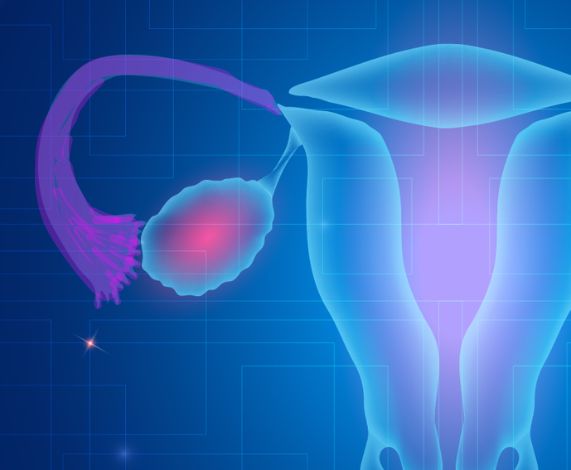
In the case of having only one functional tube, natural conception would be possible, but knowing that there is a significant reduction in the probability.
If we do not have either of the two, natural pregnancy is highly unlikely. In these cases, an assisted reproduction technique is chosen in which fertilization occurs in the laboratory.
In any case, these are situations that are much more common than is usually thought and do not pose an additional complication to achieving pregnancy through treatment.