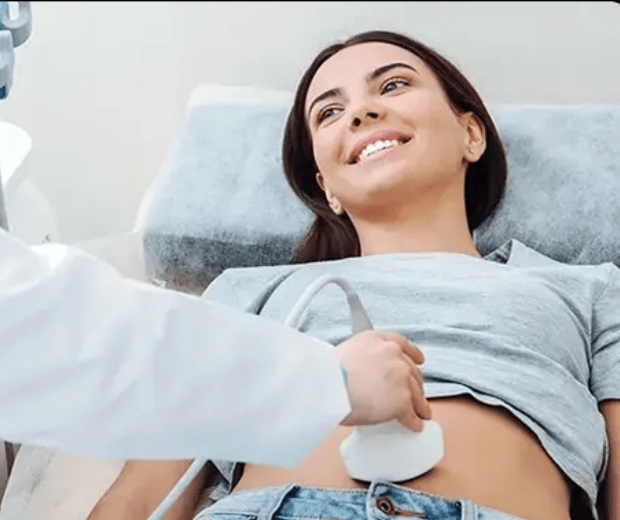
Intrauterine Insemination (IUI)

Become a mother with the frontline technique based on natural fertility for less complex cases.

Book your free consultation

What is intrauterine insemination?

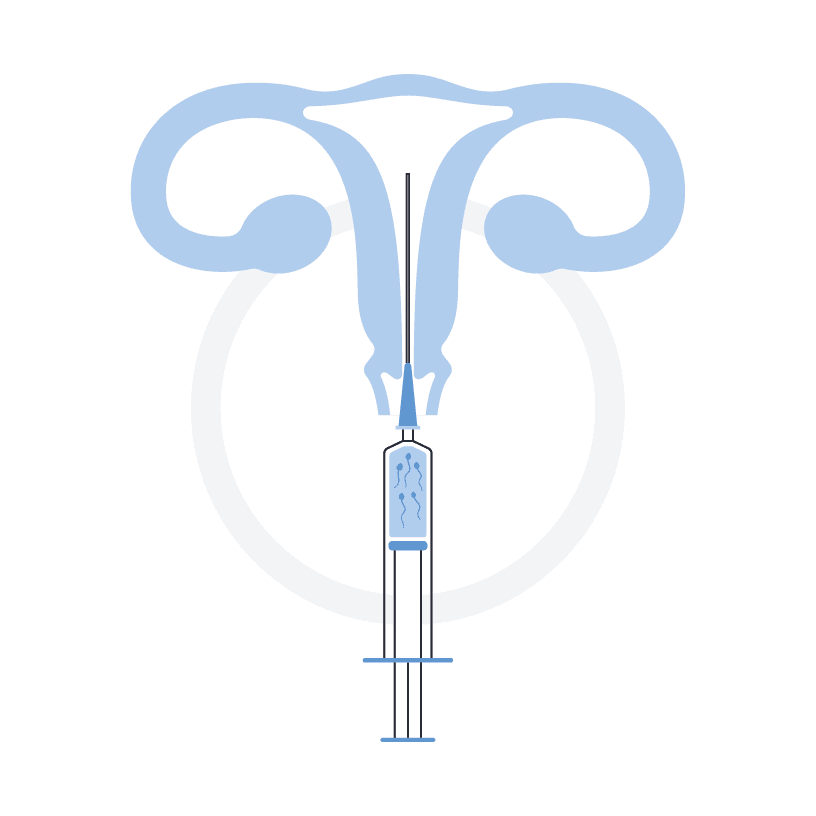
It is a simple and minimally invasive assisted reproduction technique that consists of introducing sperm into the uterus, from a donor or partner, previously prepared in our laboratory to facilitate fertilisation. It can be performed during the woman’s natural cycle or with a mild ovarian stimulation.

When is intrauterine insemination recommended?

Heterosexual couples

Heterosexual couples who have been trying to fall pregnant for a short period of time, have ruled out the most common pathologies in a fertility study or if the woman or the man have some slight complications.

Female couples

Female couples, with donor sperm, in which the woman who carries the pregnancy has a good ovarian reserve and is under 37 years of age.

Single women

Single women, with donor sperm, under 37 years of age, a good ovarian reserve, who may have ovulatory problems.

Benefits of an Intrauterine insemination treatment

Convenience

It is a low-complexity procedure that does not require rest or changes in the routine of activities.

Simplicity

It is based on natural fertility, seeking fertilisation in the fallopian tubes, where it normally occurs.

Cost

It has a more affordable cost than other techniques, although it is only indicated for very specific cases.

Control

It allows a better synchronisation of the menstrual cycle, controlling the ovulation process and searching for the optimal moment for insemination.

Flexibility

It offers a flexible approach to treatment and can be combined with medication for ovarian stimulation.

Swiftness

It is a short treatment, lasting 12 to 14 days from the first day to the moment of insemination.

Step-by-step guide to an Intrauterine insemination treatment

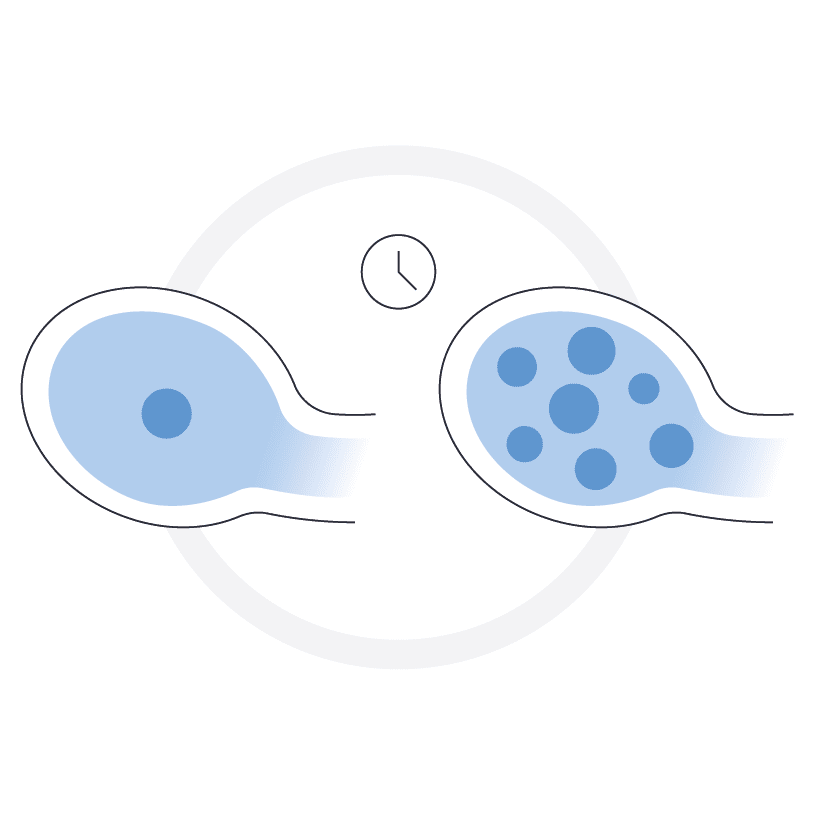
It starts with menstruation and, to optimise the technique, we usually recommend individualised hormone therapy. This stimulation begins in the first four days of the cycle. In this way we obtain a greater number of dominant follicles, always in a limited number to avoid the risk of multiple gestation.

The duration of this treatment usually lasts 8-10 days.

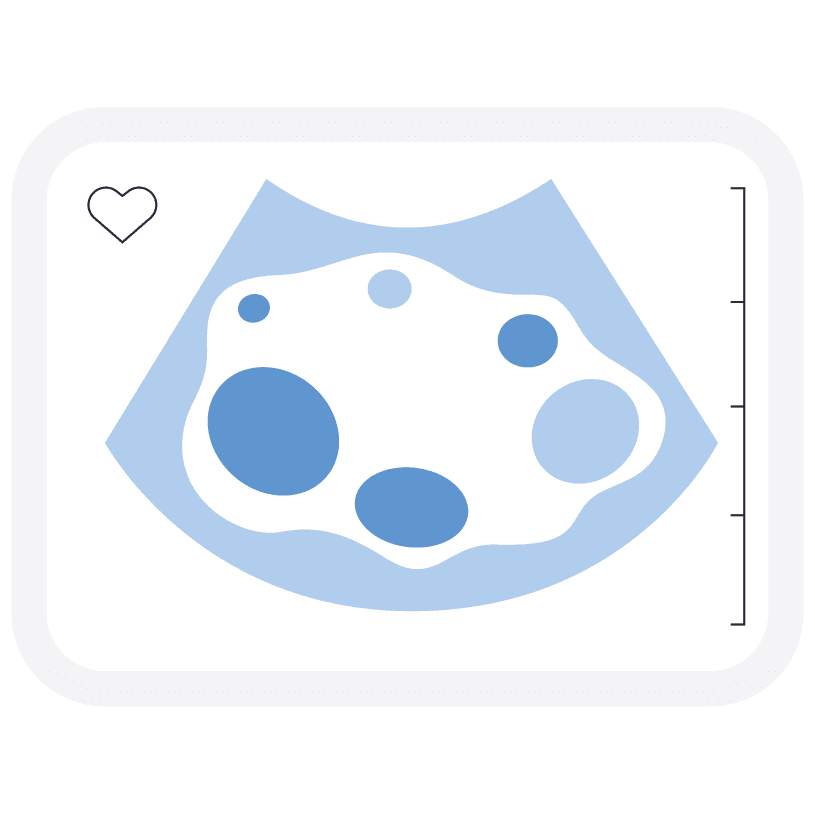
During stimulation we perform gynaecological ultrasound scans and/or hormone tests to monitor the size of the follicles and determine when is the best time to trigger ovulation.

2 to 4 controls are carried out in each cycle.

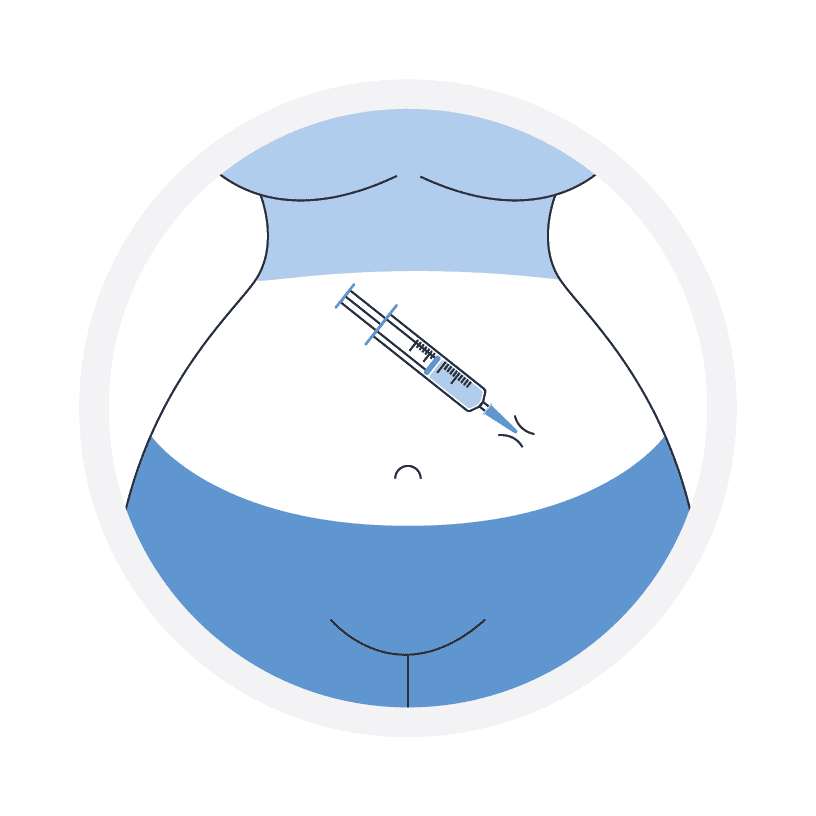
When the follicles reach the right size, ovulation is induced by a subcutaneous hormone injection.

Roughly 10 days after the start of treatment

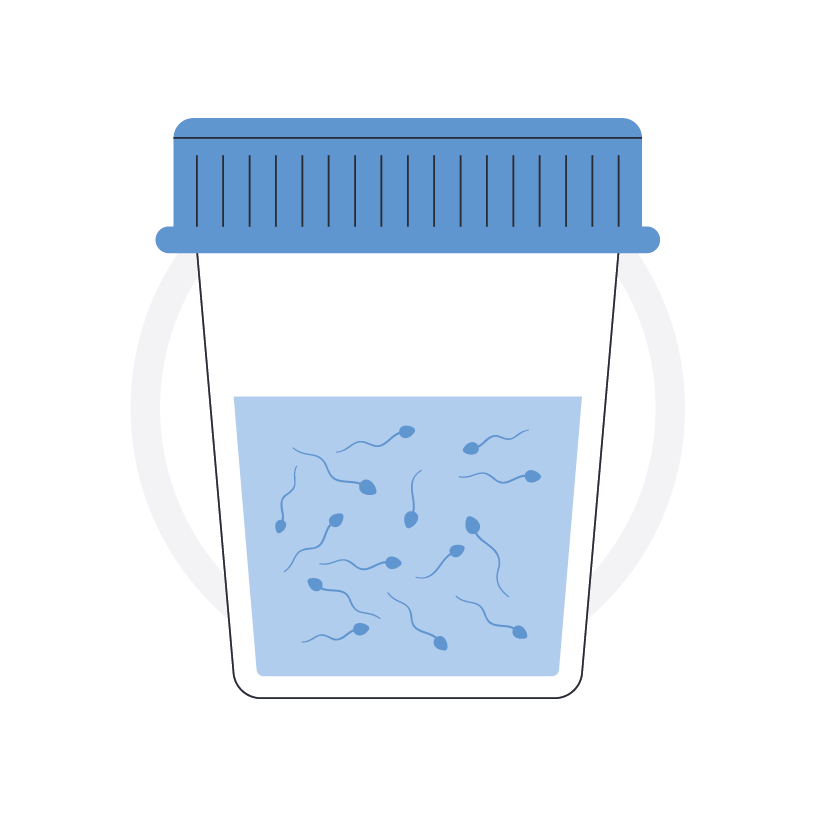
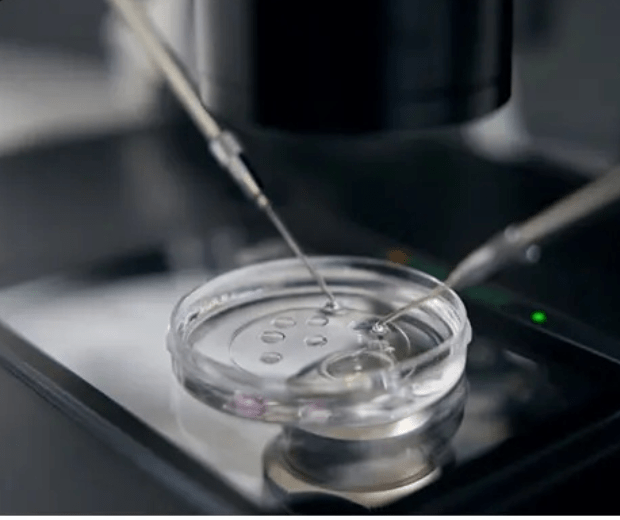
On the day of insemination and before the procedure, we need to receive a sperm sample at the clinic in order to prepare and optimise it in the laboratory and thus increase the possibility of pregnancy. If donor sperm is used, it will be a frozen sample previously selected according to the physical characteristics of the patient.

2 or 3 hours before the insemination.

Once the sperm has been prepared, it is introduced through a fine catheter into the uterus, where the sperm must continue their journey and fertilise the eggs in the fallopian tubes. It is a quick and painless procedure that lasts only a short time. Afterwards, the woman rests for a few minutes and can go on with her life as normal.

Roughly 36-42 hours after induction.

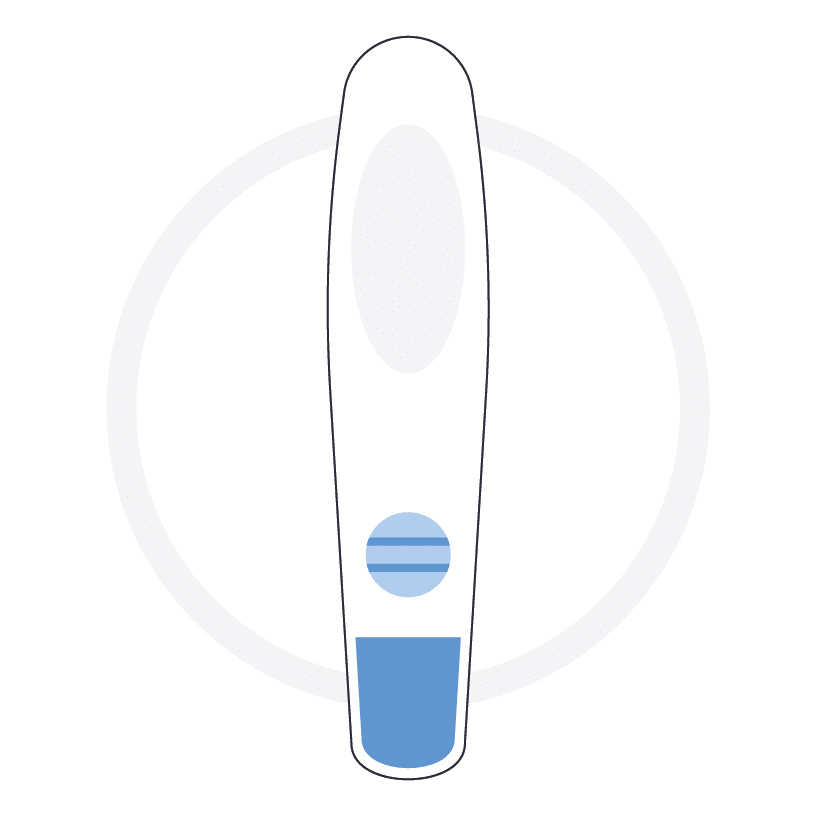
14 days after the embryo transfer, a blood test (Beta-hCG) is carried out to check for pregnancy. If the result is positive, the patient should go for an early pregnancy ultrasound scan to confirm everything is correct. Two weeks later, the patient should go for another follow-up ultrasound scan.

14 days after the insemination

Techniques included


Early pregnancy scan monitoring
After pregnancy is confirmed, we monitor two ultrasound pregnancy scans to verify the correct progression of the pregnancy during its first weeks. This follow-up allows us to confirm implantation, assess embryonic development, and support the patient during a key stage of the process, ensuring continuity of care from the same clinic and providing reassurance from the very first positive result.

Pregnancy success rate of an Intrauterine insemination

Success depends mainly on seminal quality and the absence of maternal pathological factors. This is our pregnancy rate after a single attempt of Intrauterine insemination, with clinical discharge after 8 weeks.

37.5%

IUI

27.3%

IUI with donor sperm

Cost of Intrauterine insemination and financing

Our closed treatment package includes all of the techniques you may need to help achieve pregnancy. There may be the option to pay the total cost in instalments without any interest.

Intrauterine Insemination

775€

Ovarian stimulation and preparation of sperm.

  • Case oriented consultation and cycle planning
  • Ultrasound analysis controls (unlimited)
  • Preparation of sperm sample
  • Intrauterine insemination
  • Rest in the clinic
  • Beta-hCG blood test to check for pregnancy (unlimited)
  • Two gestational checks
Book your free consultation Cost breakdown

Intrauterine Insemination with donor sperm

1.210€

Ovarian stimulation and donor sperm performed using a simple technique.

  • Case oriented consultation and cycle planning
  • Ultrasound analysis controls (unlimited)
  • Frozen sperm sample
  • Preparation of sperm sample
  • Intrauterine insemination
  • Rest in the clinic
  • Beta-hCG blood test to check for pregnancy (unlimited)
  • Two gestational checks
Book your free consultation Cost breakdown

We love hearing success stories like these

We decided on IGIN as our first choice because of everything we had read about them. And although we were not sure that with Artificial Insemination we were going to achieve success… It worked! We cannot thank you enough!.

Ruth and Fabián G

We had just done an IUI in another clinic and were already thinking about turning to an ICSI, but here we were told that it could be done and now there are three of us at home. Thanks a million.

Noelia and Jon

Despite living in a town a little bit away from the clinic, it was clear we were going to go with them. Today, with my baby at home, I can only thank and recommend them for making so many people happy.

Marta Collado

Your free consultation

You may have many questions about Intrauterine insemination or you may want to check the state of your reproductive health. That is why we offer you a reproductive consultation in which we will also carry out a fertility study free of charge and without obligation.

Book your free consultation

FAQs about an Intrauterine insemination treatment


What is intrauterine insemination?
Intrauterine insemination is a fertility treatment in which sperm is introduced directly into the uterus to facilitate fertilisation. It is performed during the ovulation period to increase the chances of pregnancy.
Who are ideal patients for Intrauterine insemination?
IUI is indicated for couples with mild fertility problems, young women with ovulation problems or cervical factors, same-sex couples (women), single women who wish to conceive and couples with ejaculation problems.
What is the success rate of Intrauterine insemination?
The success rate of an IUI treatment can vary depending on factors such as the woman’s age, the cause of infertility and the quality of the sperm. In general, success rates per cycle can range from 27% to 37%.
Is the Intrauterine insemination procedure painful?
The Intrauterine insemination procedure is generally painless. It may cause slight discomfort similar to a gynaecological examination, but does not require anaesthesia or rest and is performed in a doctors consultation room.
How many IUI cycles are recommended before considering other treatments?
Generally, a maximum of two to three cycles of IUI is recommended before evaluating other fertility treatments, such as IVF-ICSI. However, this may vary depending on the individual patient’s situation.
What preparation is needed before Intrauterine insemination?
The preparation includes a complete medical evaluation, possible medication for ovarian stimulation and cycle monitoring. In addition, the semen sample is prepared in the andrology laboratory to select the ideal sperm for insemination.
How long does the Intrauterine insemination procedure take?
The insemination procedure is quick, usually lasting 15-20 minutes. However, the entire treatment, including stimulation and monitoring, can take up to two weeks.
Is it necessary to rest after the Intrauterine insemination procedure?
No prolonged rest is necessary after the procedure. It is recommended to rest for a few minutes after insemination, but then the patient can resume normal daily activities.