Egg Donation

Fulfil your dream of becoming a mother thanks to the generosity of another woman

Book your free consultation

What is an egg donation treatment?

When achieving a pregnancy with your own eggs is impossible for biological reasons, there are supportive women who are willing to donate their own eggs to make the dream of many future mothers come true. These eggs are fertilised in the laboratory with sperm from the couple or from a donor.

A genetic matching between the donor and the couple is performed to maximise genetic compatibility. Also, thanks to phenotypic matching tests, we ensure that the donor and recipient mother share as many traits as possible.

When is an Egg Donation treatment recommended?

It is recommended for heterosexual couples where the following exists:

Early ovarian failure or ovarian failure following surgery, chemotherapy and radiotherapy.

Severe maternal genetic disorders and diseases.

Repeated previous failure of assisted reproduction techniques.

Repeated failure of embryo implantation.

Low ovarian reserve.

Women who are over 44 years old.

Benefits of an Egg Donation

Efficacy

It is a highly effective reproductive technique due to the high biological quality of the donated eggs.

Safety

Minimises complications due to hereditary mutations thanks to the genetic compatibility study between donor and recipient.

Similarity

Allows the choice of a donor whose physical characteristics and blood group match the recipient.

Success rate

Ensures a very high embryo implantation rate thanks to the endometrial preparation of the recipient.

Guarantees

We guarantee to obtain a minimum of eight mature eggs and two blastocysts.

Selection

It allows the most suitable embryo to be selected thanks to cutting-edge Artificial Intelligence tools.

Solution

It allows women to become mothers who otherwise would not be able to.

Step-by-step guide for an Egg Donation treatment

A suitable donor is selected by means of rigorous medical, genetic and phenotypic tests to guarantee the similarity, compatibility and quality of the eggs.

We have an extensive and varied donor bank.

We prepare the endometrium of the mother-to-be by hormone treatment for proper implantation of the embryo. Meanwhile, the donor begins her ovarian stimulation to produce as many mature oocytes as possible. Her medication is included in the treatment.

The endometrium is usually ready after 14 days.

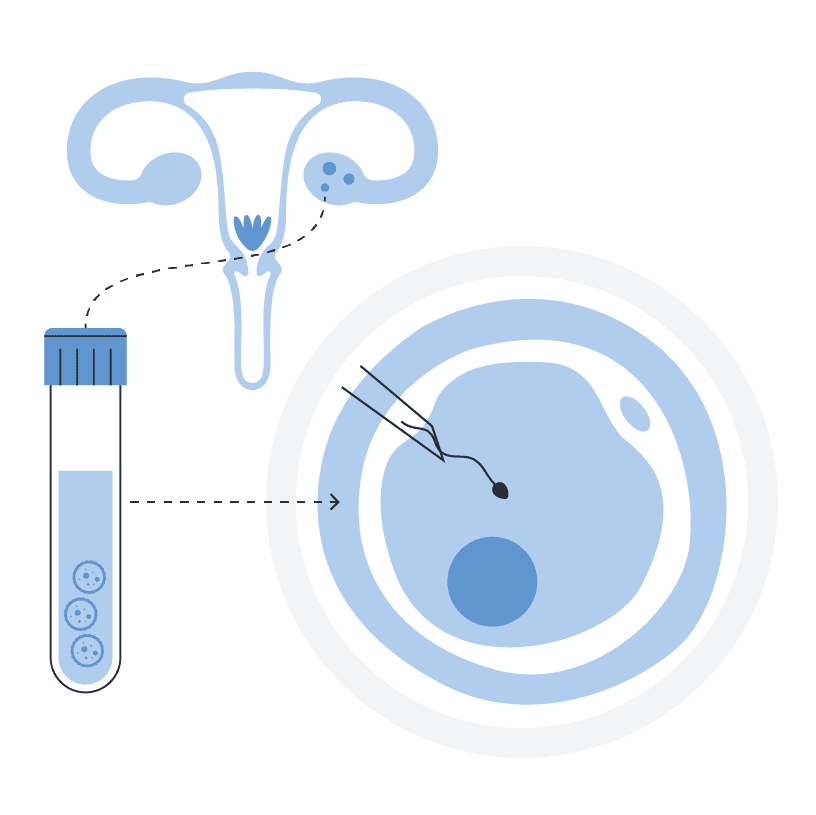
We retrieve the eggs from the donor and fertilise them in the laboratory with your partner’s sperm. We microinject a single spermatozoon into each mature egg.

We guarantee a minimum of 8 mature eggs.

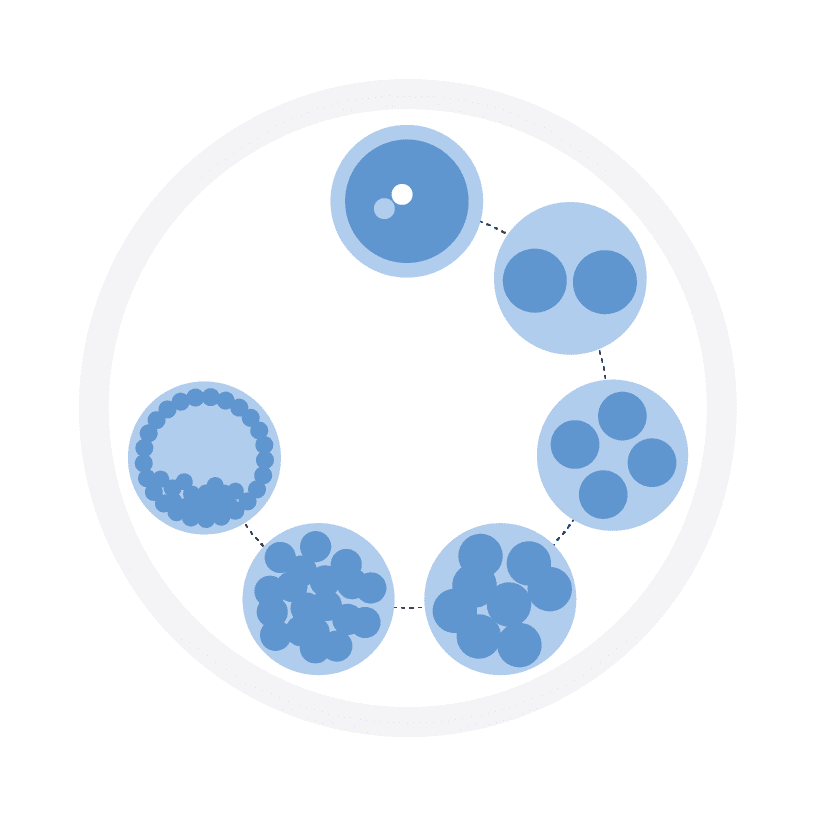
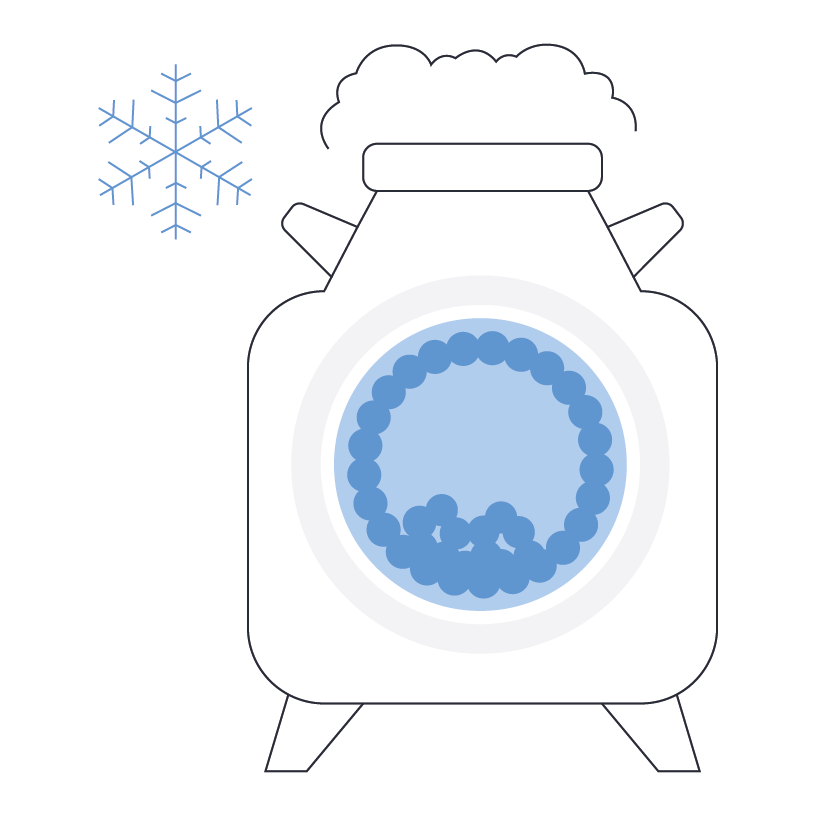
Our biologists monitor the embryos for the next 5 to 6 days, using state-of-the-art incubators, to cultivate as many embryos as possible to blastocyst stage.

We guarantee to obtain at least two blastocysts.

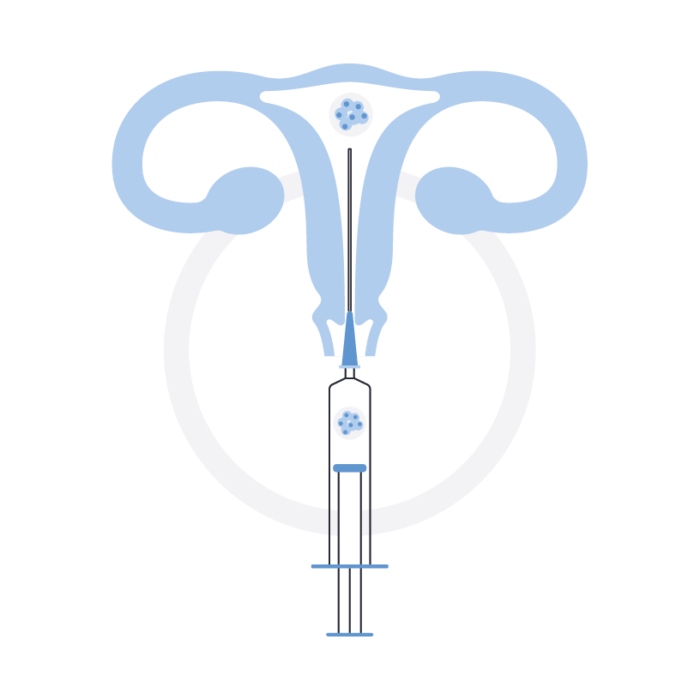
We select the best embryo available, using Artificial Intelligence, and transfer it into the patient’s uterus. After a few minutes of rest in the clinic, you can return to your normal routine.

The embryo transfer takes approximately 15 minutes.

We vitrify and preserve the embryos that have not been transferred so that they can be used in subsequent transfers if necessary, or when you wish to seek a new pregnancy.

2 years of storage is included in the treatment.

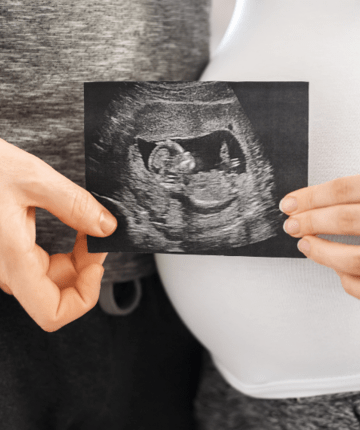
12 days after the embryo transfer, a blood test (Beta-hCG) is carried out to check for pregnancy. If the result is positive, the patient should go for an early pregnancy ultrasound scan to confirm everything is correct. Two weeks later, the patient should go for another follow-up ultrasound scan.

Approximately 12 days after the embryo transfer.

Techniques included


Genetic compatibility study
We perform a DNA test on both parents (or donors, if applicable) to detect whether they share the same mutations that could be passed on to the baby. Although most people are healthy carriers without knowing it, when there is a match in the same genetic alteration, the risk of inherited disease increases. This test makes it possible to identity more then 16,000 potential mutations before starting treatment and, if necessary, adapt the reproductive strategy to reduce risks. It is an essential test that provides safety and peace of mind from the very beginning of the process.
Matcher System
An advanced electronic traceability system that ensures the correct identification of all biological samples at every stage of treatment. Using barcodes and electronic verification, the correspondence between the patients and the samples is automatically verified before any procedure. This system provides complete control and added peace of mind for the medical team.
Sperm selection techniques
Sperm quality is a determining factor in the success of treatment. For this reason, we apply the most advanced sperm selection techniques that make it possible to identify and isolate the sperm with the highest fertilisation chances. Using techniques such as MACS, Zimot or FertileChip, we aim to remove those sperm with DNA fragmentation or lower viability, selecting the most suitable in terms of their mobility, morphology and genetic integrity.
Sperm Cryopreservation
A process that allows sperm to be preserved when the male partner is unable to provide a sample on the day of fertilisation. A semen sample is collected and treated with cryoprotectants to prevent cellular damage during cooling. The sample is then frozen at very low temperatures (-196ºC) using liquid nitrogen and is recorded and stored in our sperm bank. From that point on, it can be used whenever the patients require it for their treatment, without compromising its quality over time.
In Vitro Maturation and freezing of eggs
During the egg retrieval, it is common to obtain both mature and immature eggs. Rather than discarding them, we make the most of their potential through the use of in vitro maturation (IVM). This technique consists of culturing immature eggs under controlled laboratory conditions to support their development until they reach maturity. Those that successfully mature can then be vitrified and used in the future, thereby increasing the patient’s reproductive opportunities without the need for additional stimulation. These eggs have a lower developmental potential and are therefore not included in the minimum number required to proceed with ICSI. However, they represent a valuable additional reserve that can sometimes make a significant difference in the final outcome of the treatment.
Oocyte activation using calcium ionophores
Following ICSI, the oocyte is exposed to a solution that promotes its activation through a controlled calcium influx, enhancing the initiation of fertilization and subsequent embryo development. This technique may improve fertilization rates in cases of previous fertilization failure or severe male factor infertility.
Blastocyst Culture
At IGIN, we systematically culture all embryos to the blastocyst stage (day 5-6), a more advanced phase of development in which the embryo reaches greater cellular complexity and its quality can be assessed more accurately. This process makes it possible to identify the embryos with the highest developmental capacity and implantation potential. In addition, it improves synchronization with the endometrium, creating optimal conditions for embryo transfer and enhancing the chances of pregnancy.
Embryoscope+ with Time-Lapse technology
Embryoscope+ is a state-of-the-art incubator that provides the best possible environment for embryo development up to the blastocyst stage. It maintains optimal temperature, humidity and gas conditions to support embryo growth through to the blastocyst stage.
It incorporates time-lapse technology, allowing continuous image capture and monitoring without the need to remove the embryos from the incubator, thereby avoiding any disruption to their environment.
This real-time monitoring enables us to observe every cell division and analyze embryo development with a level of detail that conventional methods cannot achieve. As a result, embryo selection becomes more precise, increasing the chances of implantation.
Artificial Intelligence: IDAScore and KIDScore
We apply advanced artificial intelligence systems that take embryo selection to a new level. IDAScore (Intelligent Data Analysis) and KIDScore (Known Implantation Data) are algorithms based on morphokinetic analysis that study the development of each embryo and compare it with millions of data points worldwide. These systems assess not only morphology, but also the timing and patterns of cell division, identifying the embryos with the highest implantation potential. This information enables our embryologists to make more objective and precise decisions, increasing the likelihood of success with each transfer.
Single Embryo Transfer (SET)
Thanks to advanced embryo selection and blastocyst culture, we are able to perform Single Embryo Transfer (SET), a strategy aimed at achieving pregnancy while minimizing the risks associated with multiple gestation. This approach enhances safety for both the mother and the baby by reducing complications during pregnancy and childbirth.
Personalized embryo transfer
The transfer can be carried out using a fresh or frozen cycle, adapting to the characteristics and needs of each patient. This allows the optimal timing for implantation to be chosen, either by taking advantage of the patient’s natural hormonal cycle or through controlled endometrial preparation. Adapting the strategy instead of following a standard protocol significantly improves the chances of success and reduces the risk of implantation failure, offering a truly personalized approach.
Cryopreservation and storage of vitrified embryos and eggs
Vitrification is an ultra-rapid cryopreservation technique that prevents the formation of ice crystals, protecting the cellular structure of embryos and eggs during storage. This allows them to be kept in optimal conditions for long periods, facilitating their use in future attempts or to expand the family later on.
At IGIN, you will have two years of storage included for the vitrified eggs and embryos obtained during your treatment. You can use them whenever you decide.
In addition, the storage of embryos and gametes will always depend on your decision to continue preserving them. Unlike there clinics, no costs are incurred and you will not pay any fees if you choose not to continue with storage.
Luteal phase hormonal monitoring and thyroid function
Progesterone testing allows us to assess the progression of the luteal phase and the adequate preparation of the endometrium for implantation. In addition, we perform blood tests to ensure optimal hormonal support levels.
The evaluation of TSH (thyroid function) in patients with a history of thyroid abnormalities complements this assessment, as proper thyroid balance is essential for ovulation, endometrial receptivity and the early development of pregnancy.
Endometrial Platelet-Rich Plasma (PRP)
It is an innovative technique that uses the patients own biological resources to improve endometrial receptivity in certain situations. From a blood sample, a platelet concentrate rich in growth factors is obtained. These factors help stimulate the regeneration and repair of the endometrial tissue. It is a simple and quick procedure, particularly beneficial for patients with a thin endometrium, low receptivity or previous implantation failures associated with those over 45 years old, whenever the medical team consider it may be beneficial.
Specialised transfer media
In cases of implantation failure and recurrent miscarriage, during embryo transfer we use next-generation media designed to mimic the natural conditions of the uterus and support implantation. These media create an optimal environment during the transition of the embryo from the laboratory to the uterus, helping maintain its stability and viability during this particularly critical phase.
At IGIN we use EmbryoGlue, a hyaluronan enriched medium. Its composition enhances the interaction between the embryo and the endometrium, facilitating adhesion and increasing the chances of implantation.
We also use cytokine-enriched media, which contain proteins that act as cellular messengers and regulate communication between the embryo and the endometrium, as essential process for implantation and for creating a more receptive environment.
Early pregnancy scan monitoring
After pregnancy is confirmed, we monitor two ultrasound pregnancy scans to verify the correct progression of the pregnancy during its first weeks. This follow-up allows us to confirm implantation, assess embryonic development, and support the patient during a key stage of the process, ensuring continuity of care from the same clinic and providing reassurance from the very first positive result.
«Pregnancy loss» Cariotest
Up to 70% of early pregnancy losses are related to chromosomal abnormalities. Knowing the cause provides answers during a particularly difficult time and allows for the assessment of recurrence risk, helping to guide the next steps in treatment. The Cariotest ´Pregnancy Loss’ is an advanced genetic test that analyzes fetal DNA from a maternal blood sample, without the need for invasive procedures. It allows us to obtain reliable information even in very early stages of pregnancy, assessing the risk of recurrence and helping to define the best strategy for future treatments.
Transfer of embryos and samples
When a patient choose to undergo treatment at IGIN, we include the safe and controlled transfer of embryos, eggs and sperm from the originating clinic, hospital or laboratory at no additional cost.
If the patient wishes to transfer their embryos and/or samples from IGIN to another center, we take care of preparing, processing and protecting the material for transport. We do not charge for this service. In addition, we can advise the patient on selecting the most appropriate transport company, which may involve an associated cost depending on the required service.


Pregnancy success rate of an egg donation treatment

The high quality of the donated eggs, genetic matching, embryo selection and synchronisation between donor and recipient make this technique the most successful. Our cumulative pregnancy rate per cycle for each egg donation, with clinical gestational discharge at eight weeks, is as follows:

88%

Egg donation cost and financing

Our closed treatment package includes all of the techniques you may need to help achieve pregnancy, including the donor medication and two years of embryo storage. There may be the option to pay the total cost in instalments without any interest.

Egg Donation: at least two blastocysts guaranteed

8.665€

Your pregnancy through IVF-ICSI with eggs from a donor as similar to you as possible.

  • Donor selection and synchronisation
  • Genetic compatibility study between the donor and patient
  • Donor medication
  • Ultrasound and hormone analysis controls for the patient and donor (unlimited)
  • Egg retrieval (8 mature eggs guaranteed)
  • IMT Matcher: for electronic identification and traceability of genetic samples
  • IVF-ICSI
  • Sperm selection techniques: FertileChip, PICSI, MACS, Zymot, Microfluidics (if necessary)
  • Oocyte activation using calcium ionophores (if necessary)

  • Assisted hatching by laser (if needed)
  • Embryo culture (day 0 to 6) up to blastocyst stage using Embryoscope+ with time-lapse included (unlimited)
  • KIDScore / IDAScore (AI for embryo selection)
  • Embryo transfer
  • Endometrial P.R.P Platelet-Rich Plasma (if needed)
  • Progesterone monitoring pre-/post-transfer
  • Specific transfer procedures (if needed)
  • Vitrification of remaining embryos (unlimited)
  • Beta-hCG blood test to check for pregnancy (unlimited)
  • Two gestational checks
  • Cryopreservation and storage of vitrified embryos for 2 years
Book your free consultation Cost breakdown

Egg donation stories we love to hear

What made us decide to go with IGIN was their transparency: they don’t ask you to pay extra or make additional payments as the treatment progresses. Everything was clear to us from the beginning.

Eva and Juan Conde

It was not easy to accept that I had to go for egg donation, but once we decided to go forward with it, everything was perfect and we were successful the first time round. We couldn´t be happier!

C.L.P.

They have the best technology, the doctors are amazing and all the staff are very friendly, they are like a second family to us now. We went for an egg donation treatment and we can’t recommend IGIN enough.

S. and E.

Your free consultation

Whether you have had other experiences in assisted reproduction or if you need to resolve any doubts, we want to help you. Book an appointment today for a free consultation and let us study your case in depth.

Book your free consultation

FAQs about an egg donation treatment


What is an egg donation treatment?
Egg donation is an assisted reproductive treatment in which eggs donated by one woman are used to enable another woman to become pregnant.
Who can benefit from egg donation?
Women with low ovarian reserve, repeated reproductive treatment failures, premature menopause, over 44 years of age or with genetic diseases can benefit from egg donation.
How are egg donors selected?
Donors undergo rigorous medical, genetic and psychological screening to ensure the quality and compatibility of the eggs.
Will my child look like me?
We take into account the physical characteristics of the mother-to-be and the donor: height, weight, eye colour, hair colour and texture, skin colour and type. We consider the facial and body features to match as closely as possible. We also assign a compatible blood type so that the newborn’s blood type results from the combination of those of the parents-to-be. And epigenetics (the embryo’s exposure to uterine environmental factors during gestation) helps to influence the baby’s features.
Will I feel like they are my child?
Nowadays, motherhood transcends biology. The fact that our child does not carry our DNA does not make it any less ours, nor does it imply that our motherhood will be any different.

Nor does it mean that we will not see our own characteristics reflected in them. Donation only means that another woman is going to help us achieve the pregnancy that naturally would not be possible for us. Think that the environment can also influence the appearance of a child. Environmental and upbringing factors can contribute to the expression of certain traits. And here comes something important: the mother-child bond will be crucial. Experience tells us that many egg donor mothers have been surprised to experience a very strong and unique emotional and affectionate bond with their children.
Does the donor have the right to meet the child or mother?
No, the process is completely anonymous to protect the privacy of both parties. Both ourselves and the legislation ensure that neither the donor nor the recipient knows the identity of the other. And the same goes for the future baby.
Can I ask for twins?
Years ago, several embryos were transferred because the individual chances of implantation were much lower. Thanks to technical advances we can now say that it is more successful to transfer just one embryo. Not only that, but it is also much safer for both mother and baby. Twin pregnancies are risky situations. The consensus in reproductive medicine rules out transferring more than one embryo at a time.
What is a blastocyst?
Blastocyst is the stage of the embryo where a complex cellular structure is formed; it is made up of an inner cell mass from which the embryo originates and a peripheral layer of cells that will form the future placenta. This structure can be seen on the 5th or 6th day of life of the embryos. It is at this stage that the embryo has the highest probability of implantation, which is why at IGIN we take all our embryos to blastocyst.
Can I travel, exercise or drink alcohol after the transfer?
There are no problems driving or boarding a plane after the embryo transfer. It is recommended to wait two days after the embryo transfer if you do any high-impact sports. Everyday physical activities can be carried out without any problem. Alcohol is not recommended.
Is it normal to experience spotting as the date of the pregnancy test (Beta) approaches?
It is common. Up to 80% of patients who undergo embryo transfer may have vaginal spotting that can even be confused with the onset of menstruation or embryo implantation. For this reason, vaginal bleeding at this time does not allow us to determine whether the pregnancy test will be positive or negative. You must continue taking all medication and follow the guidelines without varying the dosage until you have the results of the pregnancy test. In case of spotting, it is recommended not to have sexual intercourse and not to do high-intensity sports. Bed rest is not necessary.
Do I have to follow a specific diet during my treatment?
During reproduction and pregnancy treatments, try to eat a varied and balanced diet. Do not abuse carbohydrate-rich foods such as pasta, rice and bread. Nor is it recommended to eat pastries and highly manufactured products. Avoid raw foods and alcohol.
How long will I have to stay on the medication if I am pregnant?
Each patient has a personalised therapeutic plan that is tailored to their individual needs. This means that some medications may be stopped at week 12, for example, but others will be maintained throughout the entire pregnancy. Once discharged from the clinic, we send you a report by email explaining to you how long you will need to continue taking each medication.