Genetic compatibility study
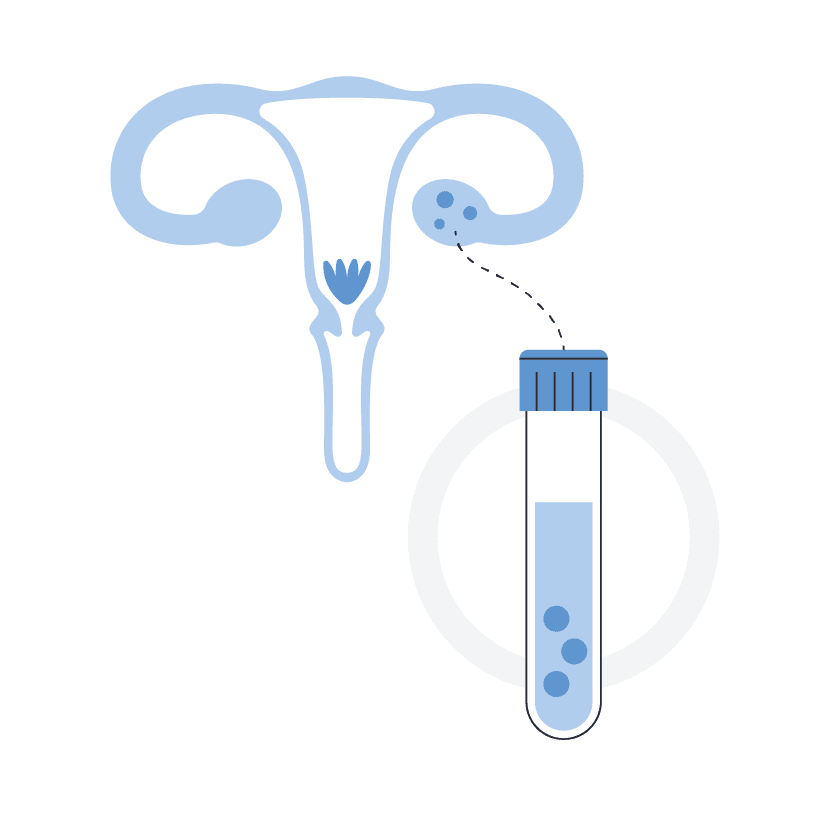
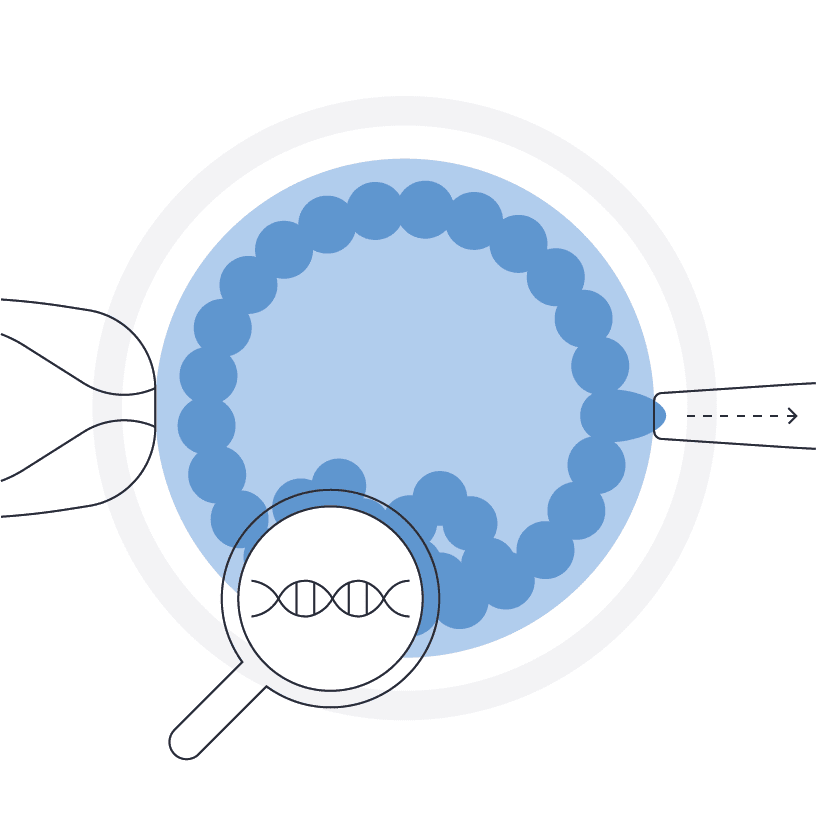
We perform a DNA test on both parents (or donors, if applicable) to detect whether they share the same mutations that could be passed on to the baby. Although most people are healthy carriers without knowing it, when there is a match in the same genetic alteration, the risk of inherited disease increases. This test makes it possible to identity more then 16,000 potential mutations before starting treatment and, if necessary, adapt the reproductive strategy to reduce risks. It is an essential test that provides safety and peace of mind from the very beginning of the process.
Matcher System
An advanced electronic traceability system that ensures the correct identification of all biological samples at every stage of treatment. Using barcodes and electronic verification, the correspondence between the patients and the samples is automatically verified before any procedure. This system provides complete control and added peace of mind for the medical team.
Sperm selection techniques
Sperm quality is a determining factor in the success of treatment. For this reason, we apply the most advanced sperm selection techniques that make it possible to identify and isolate the sperm with the highest fertilisation chances. Using techniques such as MACS, Zimot or FertileChip, we aim to remove those sperm with DNA fragmentation or lower viability, selecting the most suitable in terms of their mobility, morphology and genetic integrity.
Sperm Cryopreservation
A process that allows sperm to be preserved when the male partner is unable to provide a sample on the day of fertilisation. A semen sample is collected and treated with cryoprotectants to prevent cellular damage during cooling. The sample is then frozen at very low temperatures (-196ºC) using liquid nitrogen and is recorded and stored in our sperm bank. From that point on, it can be used whenever the patients require it for their treatment, without compromising its quality over time.
In Vitro Maturation and freezing of eggs
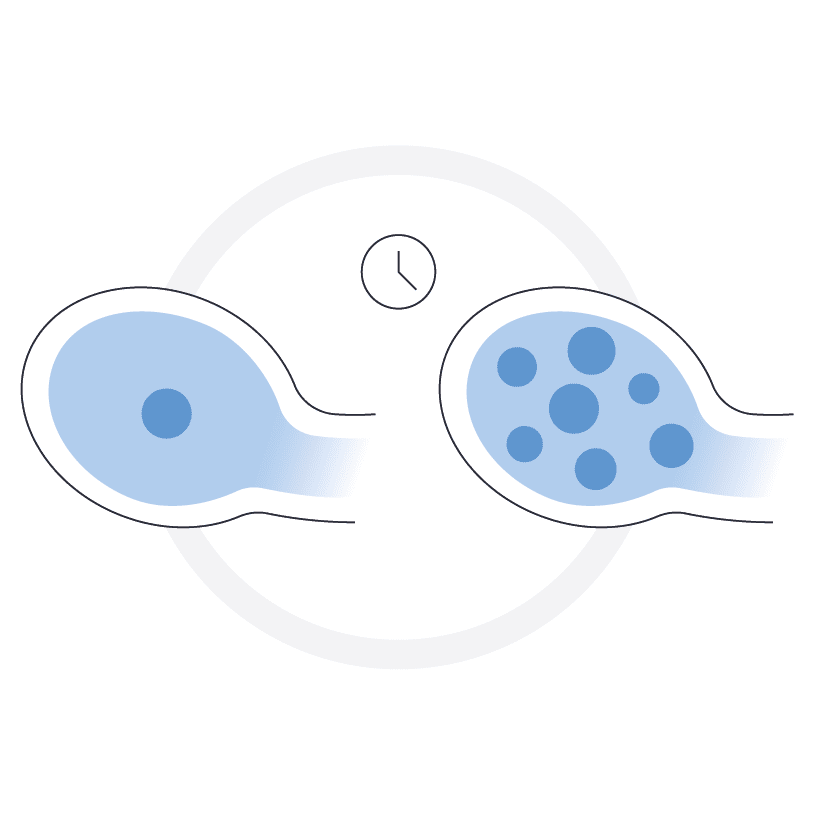
During the egg retrieval, it is common to obtain both mature and immature eggs. Rather than discarding them, we make the most of their potential through the use of in vitro maturation (IVM). This technique consists of culturing immature eggs under controlled laboratory conditions to support their development until they reach maturity. Those that successfully mature can then be vitrified and used in the future, thereby increasing the patient’s reproductive opportunities without the need for additional stimulation. These eggs have a lower developmental potential and are therefore not included in the minimum number required to proceed with ICSI. However, they represent a valuable additional reserve that can sometimes make a significant difference in the final outcome of the treatment.
Oocyte activation using calcium ionophores
Following ICSI, the oocyte is exposed to a solution that promotes its activation through a controlled calcium influx, enhancing the initiation of fertilization and subsequent embryo development. This technique may improve fertilization rates in cases of previous fertilization failure or severe male factor infertility.
Blastocyst Culture
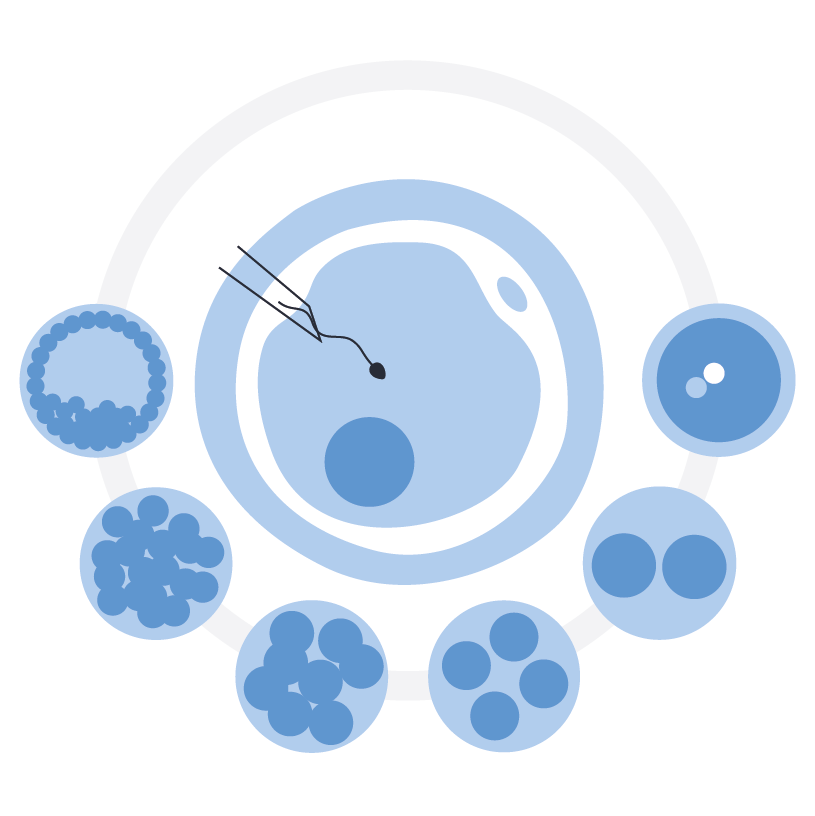
At IGIN, we systematically culture all embryos to the blastocyst stage (day 5-6), a more advanced phase of development in which the embryo reaches greater cellular complexity and its quality can be assessed more accurately. This process makes it possible to identify the embryos with the highest developmental capacity and implantation potential. In addition, it improves synchronization with the endometrium, creating optimal conditions for embryo transfer and enhancing the chances of pregnancy.
Embryoscope+ with Time-Lapse technology
Embryoscope+ is a state-of-the-art incubator that provides the best possible environment for embryo development up to the blastocyst stage. It maintains optimal temperature, humidity and gas conditions to support embryo growth through to the blastocyst stage.
It incorporates time-lapse technology, allowing continuous image capture and monitoring without the need to remove the embryos from the incubator, thereby avoiding any disruption to their environment.
It incorporates time-lapse technology, allowing continuous image capture and monitoring without the need to remove the embryos from the incubator, thereby avoiding any disruption to their environment.
Artificial Intelligence: IDAScore and KIDScore
We apply advanced artificial intelligence systems that take embryo selection to a new level. IDAScore (Intelligent Data Analysis) and KIDScore (Known Implantation Data) are algorithms based on morphokinetic analysis that study the development of each embryo and compare it with millions of data points worldwide. These systems assess not only morphology, but also the timing and patterns of cell division, identifying the embryos with the highest implantation potential. This information enables our embryologists to make more objective and precise decisions, increasing the likelihood of success with each transfer.
Single Embryo Transfer (SET)
Thanks to advanced embryo selection and blastocyst culture, we are able to perform Single Embryo Transfer (SET), a strategy aimed at achieving pregnancy while minimizing the risks associated with multiple gestation. This approach enhances safety for both the mother and the baby by reducing complications during pregnancy and childbirth.
Personalized embryo transfer
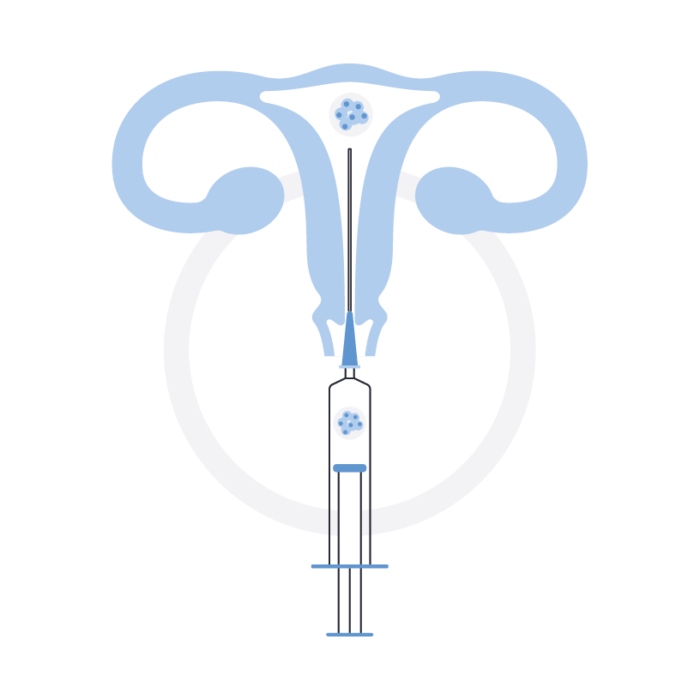
The transfer can be carried out using a fresh or frozen cycle, adapting to the characteristics and needs of each patient. This allows the optimal timing for implantation to be chosen, either by taking advantage of the patient’s natural hormonal cycle or through controlled endometrial preparation. Adapting the strategy instead of following a standard protocol significantly improves the chances of success and reduces the risk of implantation failure, offering a truly personalized approach.
Cryopreservation and storage of vitrified embryos and eggs
Vitrification is an ultra-rapid cryopreservation technique that prevents the formation of ice crystals, protecting the cellular structure of embryos and eggs during storage. This allows them to be kept in optimal conditions for long periods, facilitating their use in future attempts or to expand the family later on.
At IGIN, you will have two years of storage included for the vitrified eggs and embryos obtained during your treatment. You can use them whenever you decide.
In addition, the storage of embryos and gametes will always depend on your decision to continue preserving them. Unlike there clinics, no costs are incurred and you will not pay any fees if you choose not to continue with storage.
Luteal phase hormonal monitoring and thyroid function
Progesterone testing allows us to assess the progression of the luteal phase and the adequate preparation of the endometrium for implantation. In addition, we perform blood tests to ensure optimal hormonal support levels.
The evaluation of TSH (thyroid function) in patients with a history of thyroid abnormalities complements this assessment, as proper thyroid balance is essential for ovulation, endometrial receptivity and the early development of pregnancy.
Endometrial Platelet-Rich Plasma (PRP)
It is an innovative technique that uses the patients own biological resources to improve endometrial receptivity in certain situations. From a blood sample, a platelet concentrate rich in growth factors is obtained. These factors help stimulate the regeneration and repair of the endometrial tissue. It is a simple and quick procedure, particularly beneficial for patients with a thin endometrium, low receptivity or previous implantation failures associated with those over 45 years old, whenever the medical team consider it may be beneficial.
Specialised transfer media
In cases of implantation failure and recurrent miscarriage, during embryo transfer we use next-generation media designed to mimic the natural conditions of the uterus and support implantation. These media create an optimal environment during the transition of the embryo from the laboratory to the uterus, helping maintain its stability and viability during this particularly critical phase.
At IGIN we use EmbryoGlue, a hyaluronan enriched medium. Its composition enhances the interaction between the embryo and the endometrium, facilitating adhesion and increasing the chances of implantation.
We also use cytokine-enriched media, which contain proteins that act as cellular messengers and regulate communication between the embryo and the endometrium, as essential process for implantation and for creating a more receptive environment.
Early pregnancy scan monitoring
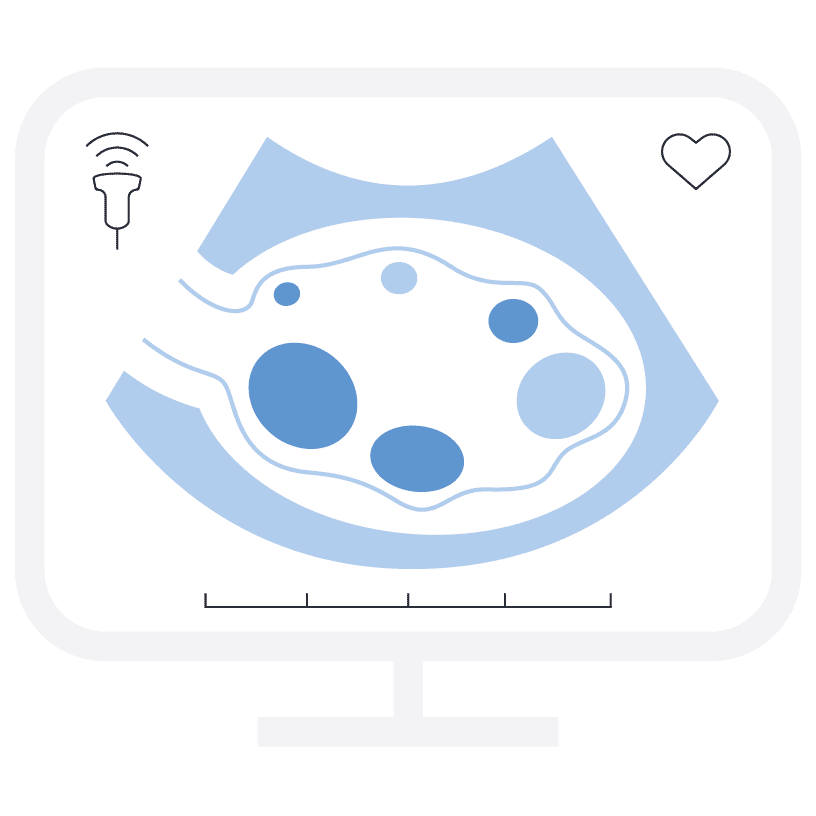
After pregnancy is confirmed, we monitor two ultrasound pregnancy scans to verify the correct progression of the pregnancy during its first weeks. This follow-up allows us to confirm implantation, assess embryonic development, and support the patient during a key stage of the process, ensuring continuity of care from the same clinic and providing reassurance from the very first positive result.
«Pregnancy loss» Cariotest
Up to 70% of early pregnancy losses are related to chromosomal abnormalities. Knowing the cause provides answers during a particularly difficult time and allows for the assessment of recurrence risk, helping to guide the next steps in treatment. The Cariotest ´Pregnancy Loss’ is an advanced genetic test that analyzes fetal DNA from a maternal blood sample, without the need for invasive procedures. It allows us to obtain reliable information even in very early stages of pregnancy, assessing the risk of recurrence and helping to define the best strategy for future treatments.
Transfer of embryos and samples
When a patient choose to undergo treatment at IGIN, we include the safe and controlled transfer of embryos, eggs and sperm from the originating clinic, hospital or laboratory at no additional cost.
If the patient wishes to transfer their embryos and/or samples from IGIN to another center, we take care of preparing, processing and protecting the material for transport. We do not charge for this service. In addition, we can advise the patient on selecting the most appropriate transport company, which may involve an associated cost depending on the required service.