What is egg freezing (fertility preservation)?
It is a procedure that allows women to preserve their ability to have children in the future by freezing their eggs when they are of good quality. It is especially useful for women who wish to postpone motherhood or who are undergoing medical treatments that may affect their fertility.
What is the ideal age to freeze eggs?
The best age to freeze eggs is before the age of 35, when egg quality and quantity is high. However, it can be done beyond that age; the rule is that the younger the patient is, the more fertile her eggs will be.
What is ovarian stimulation for fertility preservation?
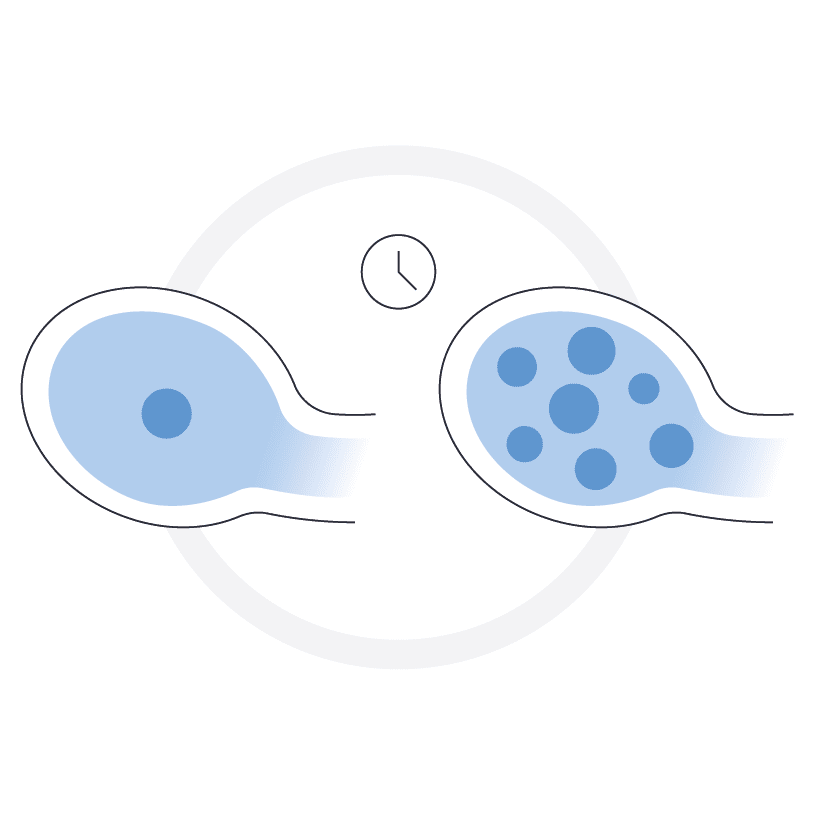
Stimulation is a fundamental and integral preservation procedure. It consists of administering hormonal medication in order to increase the production of mature eggs in your ovaries. Normally, a woman produces only one egg during her menstrual cycle. With medication we can stimulate the ovaries to obtain the maximum number of mature eggs that will later be vitrified.
How does ovarian stimulation work?
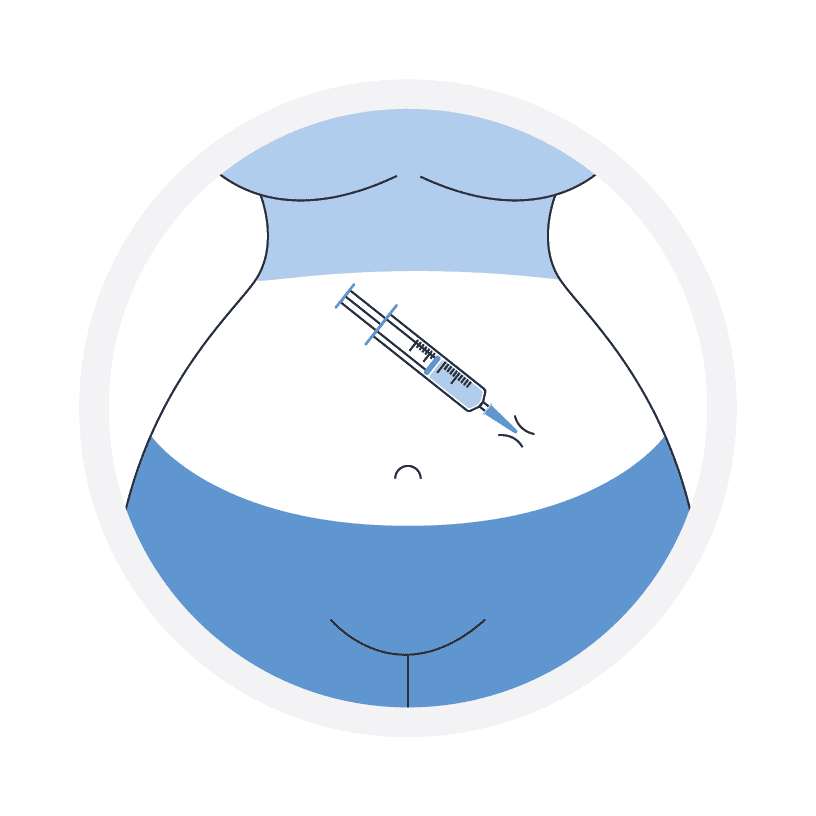
The ovarian stimulation process begins with a thorough evaluation of the patient to determine the most appropriate hormonal protocol. This includes ultrasound scans, hormone testing, and other studies to assess ovarian function and the overall health of the reproductive system. Once the personalised protocol is established, the patient begins to administer (usually at home) medication. The medications are hormone-based (urinary or recombinant gonadotropins). During the stimulation process, the patient is monitored by ultrasound and/or blood tests to control the response of her ovaries to the treatment and to achieve the appropriate follicular size. It may be necessary to make adjustments to the dose of medication to optimise the results. This phase usually lasts between 10 and 12 days.
Should I change anything during the ovarian stimulation phase?
Los hábitos de vida no tienen que cambiar. Puedes seguir haciendo tu rutina habitual (trabajo, deporte, ocio…). Es recomendable, eso sí, descansar y evitar tóxicos (tabaco, alcohol y drogas). You may experience symptoms similar to pre-menstrual symptoms, as the medication alters the hormone load: ovarian pain, swelling in the abdomen, changes in vaginal discharge, or mild head and breast discomfort. Beyond this, there are no risks or dangers to your health or future fertility.
Will the medication have any side effects?
You may experience symptoms similar to pre-menstrual symptoms, as the medication alters the hormone load: ovarian pain, swelling in the abdomen, changes in vaginal discharge, or mild head and breast discomfort. Beyond this, there are no risks or dangers to your health or future fertility.
I have not been able to take my medication at the right time. Will anything happen?
Medication should be administered everyday between 8pm and 10pm, preferably at the same time. If it is not possible to administer it at the usual time, it is important to do so as soon as possible so as not to alter the dosage of the medication in the body. There are medications that must be administered at a specific time. In these cases at IGIN we inform the patient of the exact time the medication should be administered.
Will I be put to sleep for the retrieval?
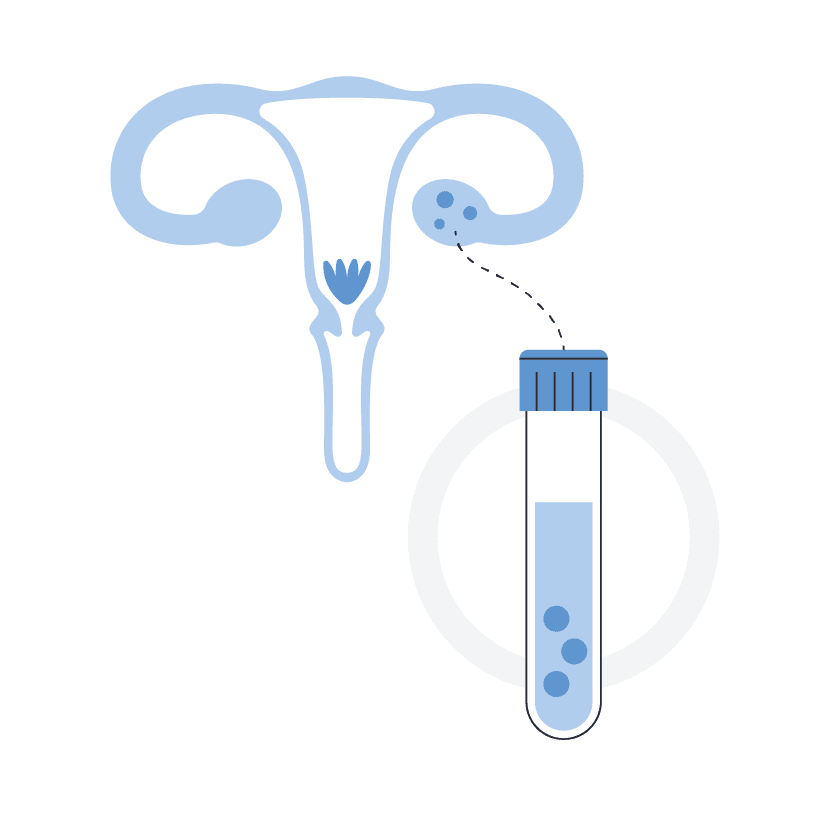
Follicular puncture is performed under mild sedation. During the procedure you will be peacefully asleep, but breathing on your own. No intubation is required.
Can I know how many eggs I am going to obtain in the egg retrieval?
It is not something we can know exactly, as there are many fluctuations between a woman’s cycles. There are indicators, such as the anti-mullerian hormone or the number of follicles, which give us clues as to the possible number of eggs we may find. But this is only an indication and we will not know until the procedure itself.
Are there any negative effects on the eggs that are frozen?
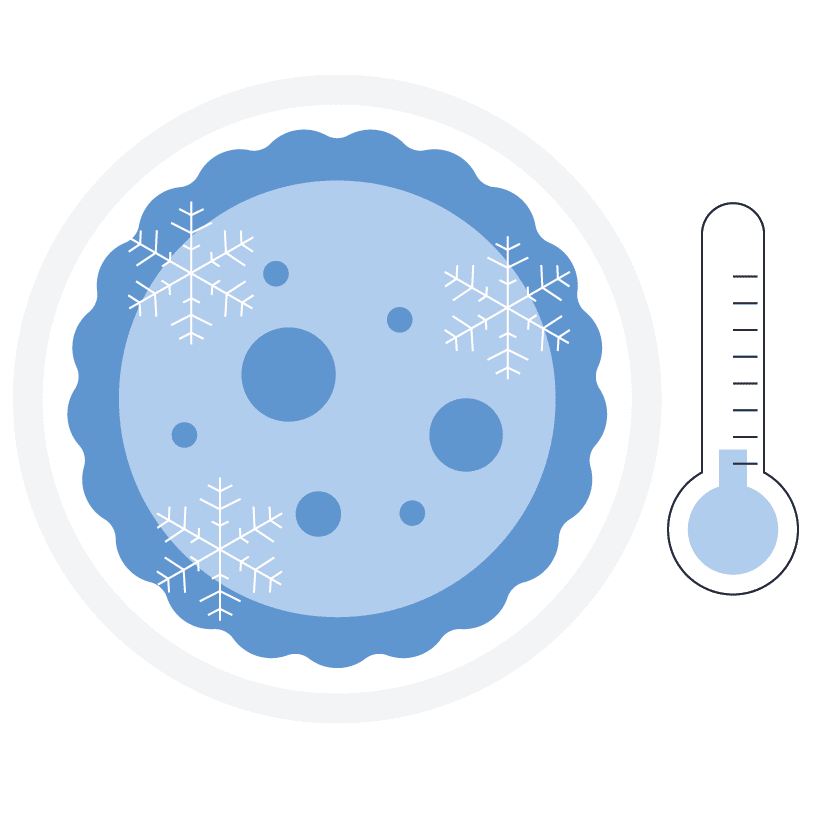
Vitrification is the most modern and efficient method for egg preservation. It is safe and effective, involves no cellular risk to the eggs and has a 99% success rate for thawing in IGIN.
How long can eggs be kept frozen?
Vitrified eggs can be kept frozen indefinitely without degrading their characteristics, quality or viability.
Do I have to pay for the maintenance of the frozen eggs?
At IGIN we offer preservation treatment with two maintenance options included. In the 5-year option, if you wish to keep the eggs after this time, there is an egg maintenance fee of €230 per year. In the 2-year option, after that time the annual maintenance fee is €395.
What will I have to do when I want to use my frozen eggs to get pregnant?
At that moment we will perform an In Vitro Fertilisation treatment. We will microinject your eggs with sperm from your partner or from a donor, if necessary, and, from the resulting embryos, we will transfer the best quality one to your uterine cavity so that it can implant and you can obtain an evolving pregnancy.