
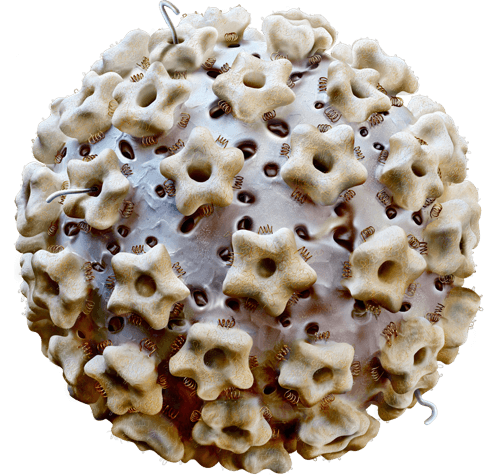
Human Papillomavirus (HPV) is one of the most common sexually transmitted diseases, affecting 75% of the population at some point in their lives, especially between the ages of 15 and 25. HPV infection is the main cause of almost all cases of cervical cancer, although most infections with this type of virus do not result in any pathology.
Most HPV infections in young women are temporary, with little long-term significance. 70% of infections clear up within 1 year and 90% within 2 years. However, when the infection persists (5 to 10 percent of infected women) there is a risk of developing precancerous lesions of the cervix, which can progress to invasive cervical cancer. This process typically takes 15 to 20 years, providing many opportunities for detection and treatment of precancerous lesions, often with high cure rates.
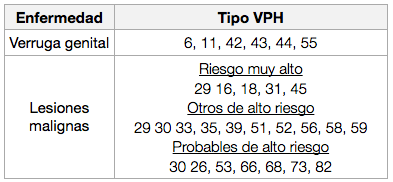
Some types of HPV can cause warts or condylomas, while others can cause subclinical infections, which can lead to cervical, vulvar, vaginal and anal cancer in women.
Most people infected with HPV are unaware of their infection. All HPVs are transmitted by skin-to-skin contact, and established lesions are diagnosed by Pap smear and/or HPV screening tests. Since these screening tools were developed, cervical cancer deaths have decreased by 70% over the past 50 years.
HPV vaccines: Cervarix® and Gardasil®, which prevent infection with the HPV types that cause 70% of cervical cancer (types 16 and 18), may lead to greater reductions.
Cervarix ® : €385
- It is designed to prevent infection with HPV types 16 and 18, which currently cause about 70% of HPV-related cervical cancer cases.
- In addition, it provides protection against HPV strains 45, 33 and 31, providing over 90% protection against precancerous lesions, regardless of the type of HPV involved.
Gardasil® : €485
- It is designed to prevent infection with HPV types 16 and 18, which together cause approximately 70% of cervical cancers.
- The vaccine also protects against serotypes 6 and 11, which cause 90% of genital warts.
- These four types combined (16, 18, 6, 11) account for 90% of cervical cancer cases.
Because current vaccines do not protect women against all HPV serotypes that cause cervical cancer, it is important for women to continue Pap smear testing even after receiving the vaccine.
The FDA and CDC consider vaccines to be safe.