

Do you need to undergo In Vitro Fertilization (IVF) and aren't quite sure what to expect?
Here you'll find a clear explanation of the process, with an approximate timeline so you'll know how long each phase takes.
What is IVF?
In Vitro Fertilization (IVF) is an assisted reproduction treatment in which eggs are fertilized in a laboratory. At IGIN, we use the most advanced technique: ICSI (intracytoplasmic sperm injection of a single selected sperm). Once the embryo develops into a blastocyst (day 5 or 6), we transfer it into the uterus to achieve pregnancy.
IVF timeline step by step
🗓 Weeks 1–2–3: Preparation and testing
Before starting the treatment, all necessary tests are carried out to assess the condition of the couple or the woman. This includes blood tests, hormone studies, semen analysis, and ultrasounds to evaluate ovarian reserve.
At IGIN, we also offer a genetic compatibility test for both partners included in the treatment.
Based on the results, the medical team determines the most appropriate stimulation protocol.
This phase is essential, as it sets the starting point and allows for a personalized treatment plan to optimize the chances of success.
🗓 Weeks 4–5: Ovarian stimulation
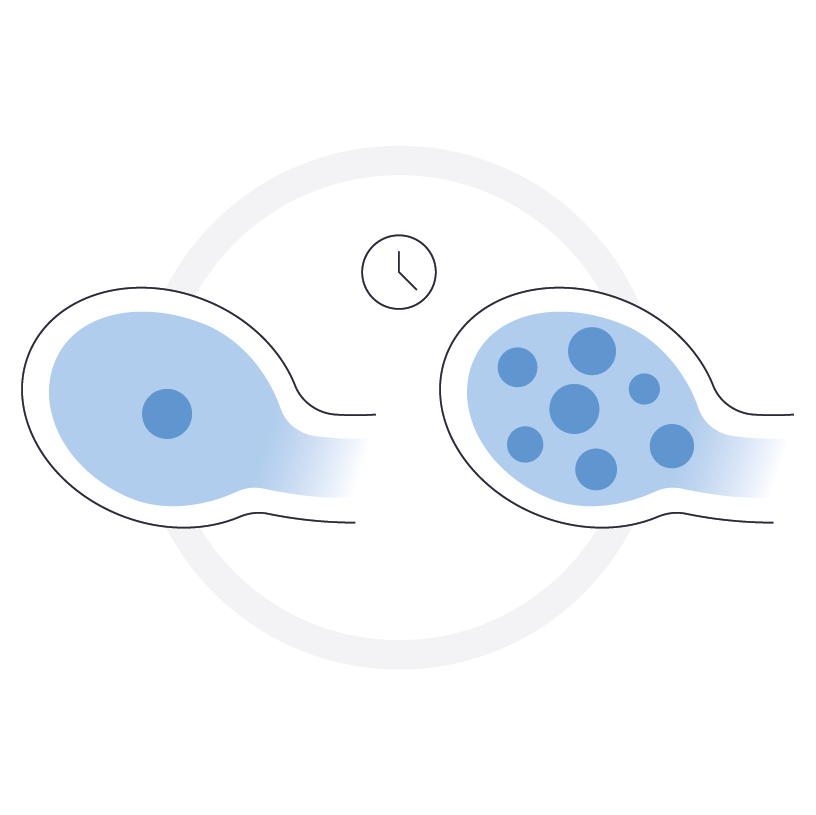
For about 10 to 12 days, the patient takes hormonal medication to stimulate the ovaries to produce multiple eggs instead of just one (which is what happens in a natural cycle).
During this phase, ultrasounds and regular check-ups are done to monitor how the follicles are developing.
The goal is to obtain as many mature eggs as possible.
🗓 Week 5: Egg retrieval
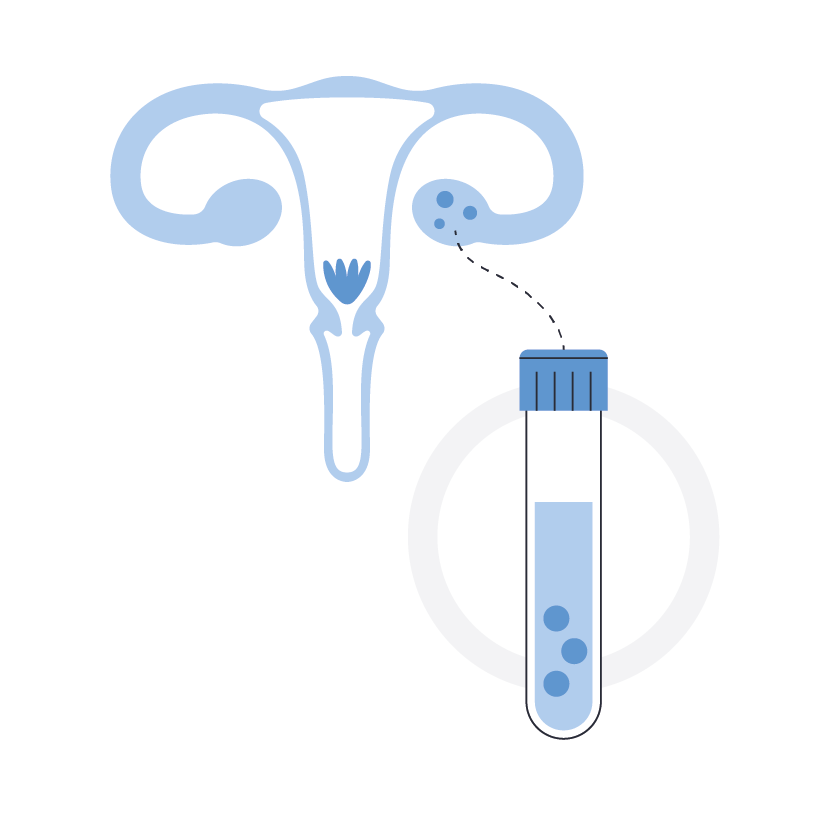
When the follicles reach the appropriate size, the egg retrieval is scheduled.
It's a simple, 20-minute procedure performed under sedation, so the patient feels no pain.
The specialist retrieves the eggs directly from the ovaries using an ultrasound-guided needle.
The patient can resume normal activities the next day.
The collected eggs are immediately taken to the lab, where they are prepared for fertilisation.
🗓 Weeks 5–6: Laboratory culture
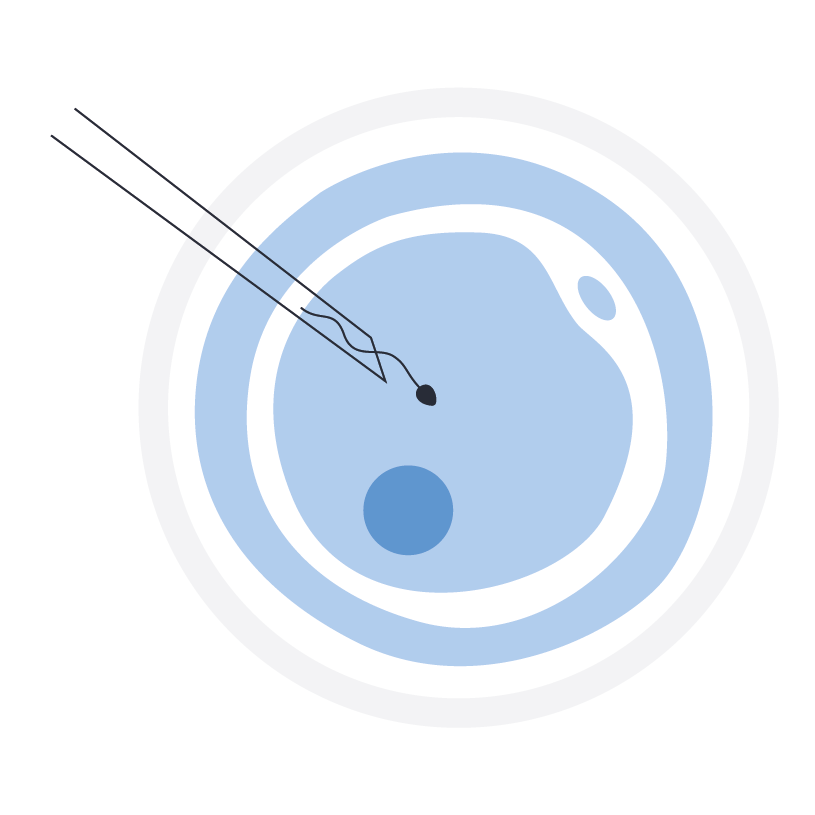
The retrieved eggs are microinjected in the lab with sperm from the partner or a donor.
At IGIN, this is always done using the ICSI technique, which involves directly inserting a previously selected sperm into the egg.
The resulting embryos are cultured in state-of-the-art incubators, such as IGIN's Embryoscope+, which allows for real-time monitoring of development and the use of Artificial Intelligence for embryo selection.
🗓 Week 6: Embryo transfer
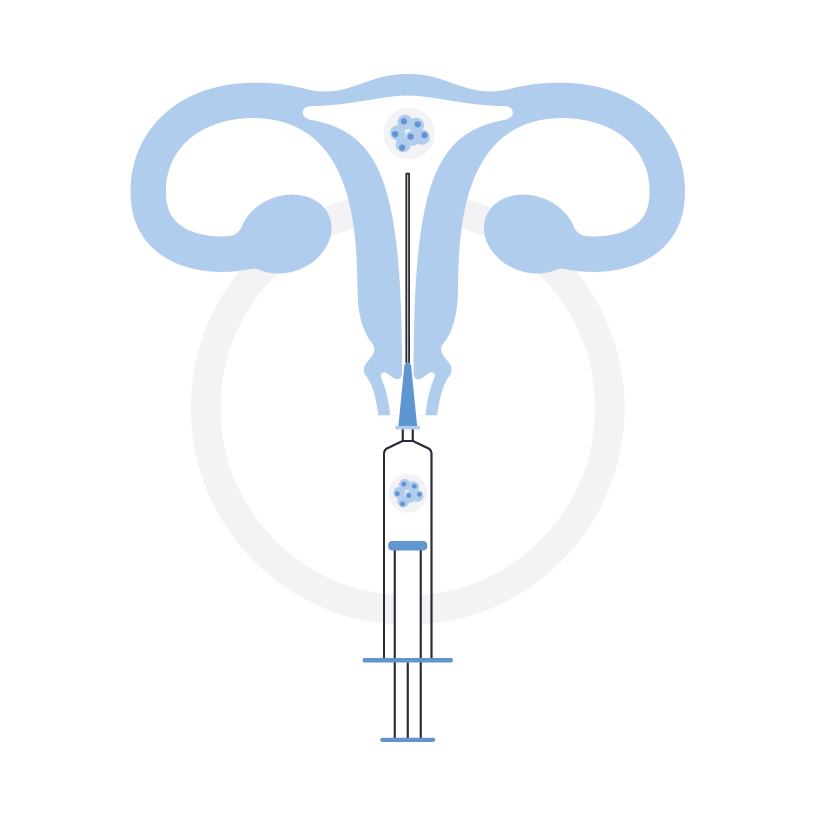
Five or six days after fertilisation, when the embryos have reached the blastocyst stage (optimal for transfer), the embryo with the highest potential is selected for transfer into the uterus.
The transfer is a painless and very simple procedure, similar to a PAP test: it does not require anesthesia and only takes a few minutes.
Many patients feel very emotional at this stage, as it's the moment when the embryo becomes part of their body.
🗓 Weeks 6–7: The "beta wait"
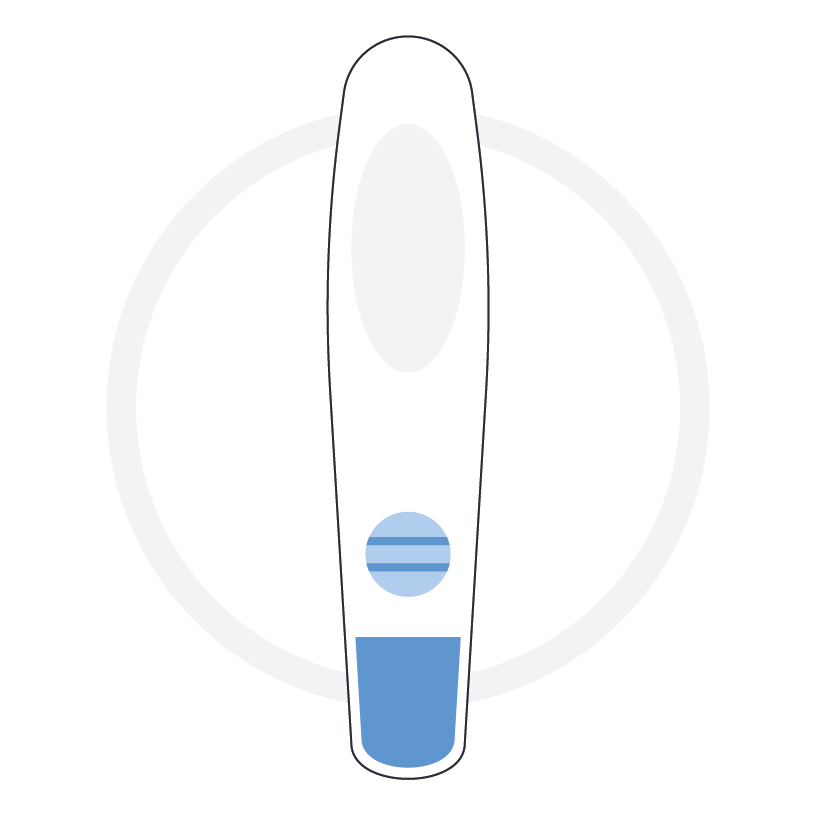
Probably the most emotionally challenging phase.
For about twelve days, the patient waits for the result of the Beta-hCG blood test, which will determine whether pregnancy has been achieved.
Although there are no specific symptoms that guarantee a positive result, the medical team usually offers close support during this phase to answer questions and provide emotional care.
How long does an IVF treatment take?
In total, from the start of testing to the pregnancy test, it takes about six to seven weeks.
If pregnancy is not achieved on the first try and there are frozen embryos available, they can be used in later attempts without repeating the stimulation, egg retrieval, and lab culture phases.
IVF Price and pregnancy success rate
The cost of IVF varies depending on the clinic.
- In 2025, at IGIN, the price is €5,985. That price includes everything needed to achieve pregnancy.
- This treatment has a 79% pregnancy success rate after a single cycle.
- Keep in mind that some clinics charge extra for certain techniques to lower the base price.
These may include blastocyst culture, embryo vitrification, embryo storage, genetic studies, or AI incubators.
At IGIN, all of this is included in the quoted price.
If you'd like to receive a personalized evaluation and a free fertility study, you can schedule a first visit to IGIN with no cost or commitment.