
When trying to conceive, it is common to wonder whether there are vitamins, supplements, or dietary changes that can improve fertility. Omega-3 is probably one of the nutrients that has attracted the most interest in recent years due to its potential impact on both female and male fertility.
What Is Omega-3?
Omega-3 fatty acids are essential polyunsaturated fats. Our bodies need them for multiple functions, but cannot produce sufficient amounts on their own, meaning they must be obtained through diet or supplementation.
The most important types are:
- EPA (eicosapentaenoic acid)
- DHA (docosahexaenoic acid)
- ALA (alpha-linolenic acid)
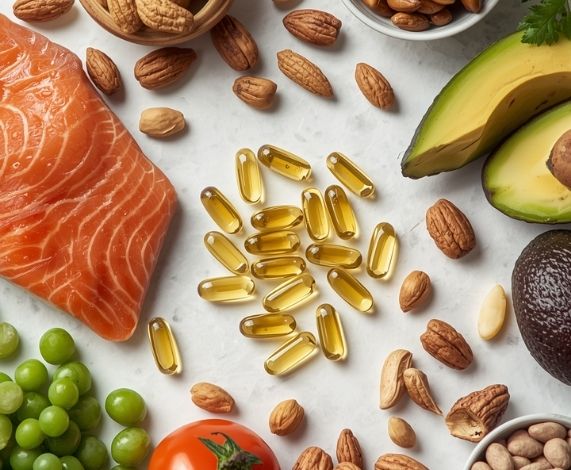
EPA and DHA are found mainly in oily fish such as salmon, mackerel, sardines, and tuna. ALA is found in plant-based foods such as walnuts, chia seeds, and flaxseeds.
Why Might Omega-3 influence fertility?
Fertility depends on many biological factors, but one of the most important is the cellular quality of eggs and sperm.
Omega-3 fatty acids are involved in essential processes such as cell membrane formation, cell-to-cell communication, anti-inflammatory activity, reduction of oxidative stress, and hormonal function.
Because of their role in these processes, researchers have spent years investigating whether adequate omega-3 intake can support reproductive function.

Omega-3 and female fertility
In women, omega-3 appears to play an important role in ovarian function and oocyte development.
DHA is a component of egg cell membranes and may help maintain their integrity and reproductive potential. In addition, a diet rich in omega-3 has been associated with a more favourable hormonal and metabolic environment for conception.
Potential Improvement in Egg Quality:
As women age, egg quality gradually declines. Several studies have found associations between higher omega-3 intake and improved parameters related to oocyte quality and embryo development in assisted reproductive treatments.
Potential increase in pregnancy rates:
A systematic review and meta-analysis published in 2024 examined various studies on omega-3 and female fertility. The authors concluded that women with higher omega-3 intake showed higher pregnancy and fertilisation rates, both in natural conception and fertility treatments.
It is important to note that these findings demonstrate a positive association but do not guarantee that omega-3 alone will increase the chances of pregnancy.
Omega-3 and Polycystic Ovary Syndrome (PCOS)
Some research also suggests that women with polycystic ovary syndrome may particularly benefit from omega-3 due to its effects on inflammation, metabolism, and insulin sensitivity. Certain studies have reported improved pregnancy rates in women with PCOS who received omega-3 supplementation.
Omega-3 and male fertility
The scientific evidence is particularly strong in the field of male fertility. Sperm cells contain high concentrations of DHA within their membranes. This component is essential for maintaining sperm motility, flexibility, and fertilising capacity.
Improved sperm motility:
Several meta-analyses have concluded that omega-3 supplementation can significantly improve sperm motility, one of the most important factors for successful fertilisation.
Potential increase in sperm concentration:
Increases in sperm concentration and total sperm count have also been observed after several months of supplementation.
Benefits for semen quality:
In addition to motility and concentration, omega-3 appears to positively influence other semen parameters, including sperm morphology and certain markers associated with cellular integrity.
How much Omega-3 is recommended?
There is no single omega-3 dose that can be generally recommended to improve fertility, as individual requirements may vary depending on age, lifestyle, diet, and medical circumstances.
If supplementation is chosen, it is important to follow the manufacturer's instructions and the recommendations of healthcare professionals. Most omega-3 supplements available in pharmacies and specialised stores include clearly defined usage guidelines designed to ensure safe and adequate intake.
It is also important to remember that supplements should not replace a balanced diet. Maintaining a diet rich in fish (salmon, sardines, mackerel, tuna) or plant-based sources (walnuts, chia seeds, soybeans, flaxseeds) remains one of the best strategies to support overall and reproductive health. When fertility problems are present or assisted reproductive treatment is being undertaken, a specialist should assess whether supplementation may provide additional benefits in each individual case.

Other supplements associated with fertility
Although omega-3 is one of the most extensively studied supplements, it is not the only nutrient that may be relevant to reproductive health.
Folic Acid: This is the supplement with the strongest scientific evidence and is recommended for all women trying to conceive. In addition to reducing the risk of neural tube defects in the future baby, it plays a key role in cell division and early embryonic development.
Vitamin D: Vitamin D deficiency is relatively common, and several studies have found associations between adequate levels and improved reproductive outcomes.
Coenzyme Q10: CoQ10 acts as an antioxidant and contributes to cellular energy production. Some studies suggest that it may help improve certain parameters related to egg and sperm quality, particularly at advanced reproductive ages.
Zinc: Zinc is involved in hormone production and spermatogenesis. Deficiency has been associated with alterations in various semen parameters.
Selenium: Selenium has significant antioxidant properties and has also been linked to improvements in certain sperm quality parameters.
However, it is important to emphasise that no supplement can compensate on its own for factors such as reproductive age, certain gynaecological or andrological conditions, genetic abnormalities, or diminished ovarian reserve.
Supplements should be viewed as a complementary tool within a broader strategy that includes a balanced diet, maintaining a healthy weight, engaging in moderate physical activity, managing stress, avoiding smoking, and limiting alcohol consumption.