
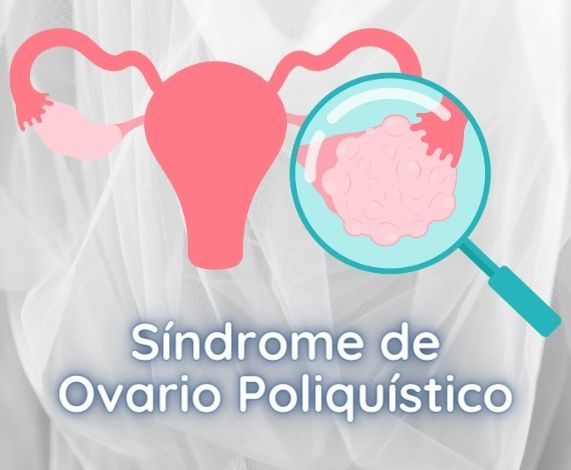
A study shows a sharp increase in its prevalence in more than 200 countries and regions.
The data is overwhelming: in 2019, 12.3 million women worldwide had their fertility affected by Polycystic Ovary Syndrome (PCOS), compared to 6 million in 1990. They are taken from the first comprehensive analysis of PCOS-related infertility, publicado por la Sociedad Europea de Reproducción Humana y Embriología (ESHRE).
The study highlights that PCOS is the most common cause of anovulatory infertility (inhibiting ovulation), affecting up to 80% of women who do not ovulate during a menstrual cycle. These findings provide comprehensive evidence of the impact of PCOS on primary (women who have not been pregnant before) and secondary (women who have successfully given birth but are unable to do so again) infertility.
The authors conclude that the rapid global increase in obesity may be at least partly related to the burden of PCOS-related infertility. They therefore suggest that weight control should serve to mitigate this trend, especially in regions with high levels of social and economic development, where PCOS-related infertility has been found to be higher. They underline the need for more effective health interventions and ‘efficient preventive and management strategies’.