
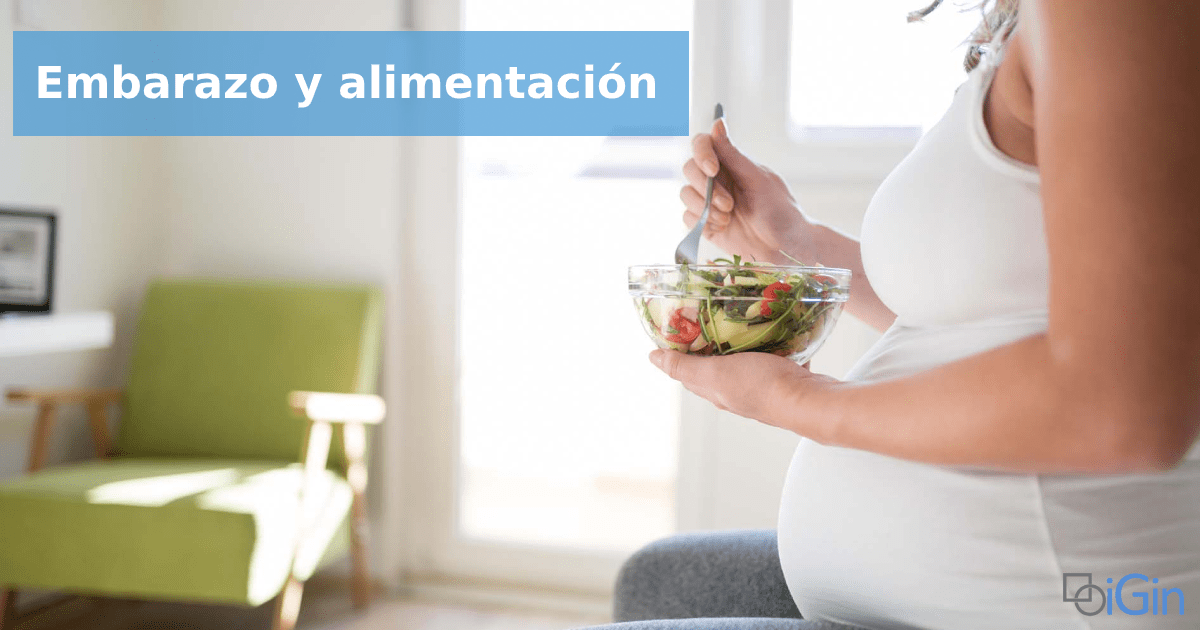
If nutrition should be a healthy pillar in our lives on a regular basis, it is even more so when you are pregnant, since it will be essential for the optimal development of the baby.
Eating well, varied and healthy is going to be key to having a healthy pregnancy, regardless of the week of gestation you are in. During these months you will have to cover slightly different needs. It is not about “eating for two” but rather eating “for two”. Especially in nutrients that come from quality foods.
The best way to achieve this is to follow a varied, balanced and complete diet. One that provides you with everything you need without losing control over weight gain. At iGin we offer you the following tips to help you with this.
1) Don’t overeat, eat better
Although each case is unique, during the first two trimesters it is normal to reach 2,000 calories a day. During the third trimester you should increase your diet by 300 more calories. Cereals, pasta and bread should be the basis of your diet, also including a good amount of fruit and vegetables. Although they are not prohibited, do not overindulge in high-calorie, sweet or fatty foods.
2) Good nutrients
You must make sure you get a series of essential nutrients for the correct development of the baby. Foods rich in folic acid (prevents birth defects), iron (for the formation of red blood cells), calcium (for bone development) and iodine, as well as vitamins and omega 3 (present in oily fish or nuts), but not in fats. And don’t forget the proteins from meat and fish.
Don’t be afraid to talk to your doctor about the possibility that you are not getting these nutrients through your diet; it is quite common to take nutritional supplements.
3) Watch your weight
It is obvious that you will gain weight. This is healthy. But this increase should be between 9 and 12 kilos, thus ensuring good growth of the baby and maintaining your health. Remember that excess weight can lead to complications during pregnancy and childbirth.
Weight gain is uneven during the months of pregnancy. Normally, it is barely noticeable during the first trimester, but at the end, it is when the most weight is gained.
Remember: controlling weight gain can help you avoid complications such as high blood pressure, diabetes, premature birth, hemorrhages or preeclampsia.
4) Servings throughout the day
Instead of eating large meals, spread out your food over several portions a day. This will help improve digestion and heartburn, which are common problems during pregnancy. For snacks between meals, dairy products, cereals and fruit are your best allies.
5) To avoid…
Certain diseases can be very dangerous for the baby, such as toxoplasmosis. Y muchas se transmiten a través de ciertos alimentos. Lo mejor es evitarlos y seguir ciertas medidas higiénicas.
- To safely eat raw sausages, it is best to freeze them. The same goes for raw fish.
- Vegetables and greens should be cleaned with water and a few drops of food-safe bleach.
- It is important to cook all foods thoroughly. Try not to eat smoked foods.
- Soft cheeses, mouldy cheeses or cheeses with blue veins are not recommended. Always choose pasteurised cheeses.
6) Good hydration
It is advisable to increase your fluid intake by between 0.5 and 1 litre. Drinking water and other drinks (preferably not sugary) is good for maintaining adequate hydration. You will improve your digestion, eliminate toxins and relieve some typical pregnancy discomforts such as constipation.
But forget about alcohol. Few things are more harmful to a baby’s development.
7) Healthy cooking
The grill should become your best friend in the kitchen. It is a very healthy way to prepare food, especially meat, fish and vegetables. If you want, you can also try steaming to add more variety to your diet.
You should limit fried foods as much as possible. And when you do make them, make sure you use olive oil (it contains antioxidants and oleic acid). And don’t reuse it.
Also avoid excess salt, and use lemon instead of vinegar to season salads: vitamin C contributes to the absorption of nutrients.
8) Adopt good habits forever
All these healthy habits that you have been implementing in your diet due to pregnancy should continue once you give birth. Not only because after pregnancy comes breastfeeding and your diet is also key, but because a healthy and balanced diet will help you enjoy with greater energy the intense and precious challenges that you will have in the future with raising your baby. And you will also be starting to set an example for your baby.