
Years ago, when reproductive medicine was still in its infancy, it was common to transfer two or even more embryos. This has changed.
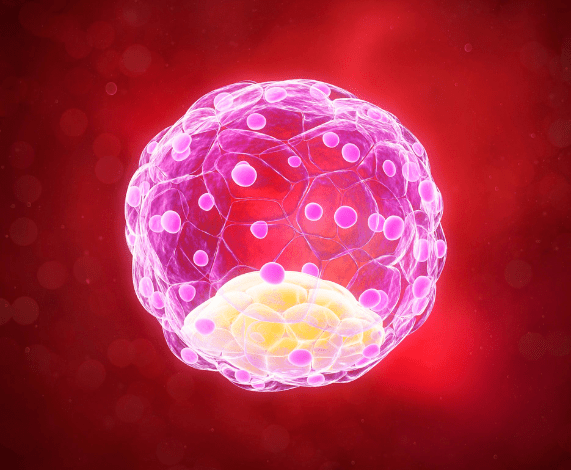
Nowadays, the huge amount of technical advances has allowed us to optimize treatments at all stages. Thanks to this, clinics mostly choose to transfer a single embryo into the mother’s uterus. In the case of IGIN, always in estadio blastocisto.
Some reasons for doing so are:
• It reduces the risksfor both the mother and the future baby and allows us to minimize the possibility of multiple pregnancies, which are always complex.
•It has been shown that transferring two embryos can reduce the chance of pregnancy, if one of the embryos is of poorer quality.
•Thanks to technical progress, our laboratories have the latest technology available, which allows us to improve embryo cultures, obtain more and better blastocysts and make a better embryo selection, so we can choose the embryo with the best implantation rate.
However, the case law is vast and there may be rare, very specific and justified exceptions that require a review of this majority option.